Blog

  • Lipid Panel Fasting Protocols: Data, Exceptions, and Accuracy

    A strict 12-hour fast was the standard. No exceptions. That said, modern data and updated ACC/AHA guidelines have largely overturned that rule. We are breaking down exactly when fasting is scientifically necessary (and when it isn’t) while analyzing the true magnitude of difference food makes on your metrics. We want to ensure your lipid profile accurately reflects your cardiovascular risk.

    For decades, the mandate was rigid.

    Nothing by mouth for eight to twelve hours before a blood draw. It was considered the gold standard for accuracy. But at Vanguard Performance Labs, we rely on data rather than tradition. And the current metrics tell a different story.

    The medical community is pivoting.

    Evidence increasingly shows that non-fasting samples often provide a superior assessment of cardiovascular risk. This is because they reflect your biology in its natural, “fed” state – which is where you spend the vast majority of your life. We view this as a move toward practical accuracy over theoretical perfection. Measuring how your body processes lipids after a meal offers a more realistic snapshot of arterial stress than a controlled, starvation-state baseline.

    That said, biology refuses to adhere to a single, universal standard.

    While we see that most patients can safely skip the misery of an overnight fast, critical exceptions still exist (and they matter). Think of unique metabolic factors. Or perhaps a history of wild triglyceride swings. In those specific scenarios, the data requires a tighter leash. Distinguishing between a smart efficiency and a clinical necessity is vital, so ensure you understand your specific needs before booking that next blood draw.

    The Guideline Shift: Why Fasting Is No Longer the Default

    For decades, standard advice was to fast for 8 –12 hours before a cholesterol test.

    That rigid requirement created a massive operational bottleneck. We prioritize metrics that reflect reality rather than idealized laboratory conditions.

    Consider how your body actually functions day-to-day. Humans spend the vast majority of their lives in a “post-prandial” (fed) state, constantly processing nutrients. We are rarely empty. Consequently, measuring lipids while your system occupies this active state often serves as a stronger predictor of actual arterial risk. It captures exactly how your internal ecosystem handles fats under the pressure of real-world conditions.

    We want to see how the engine runs on the highway. Not just while it sits idling in the garage.

    Another major driver for this update is pure logistics. Fasting creates friction. When patients are forced to fight for early morning appointments or endure hunger, cancellation rates naturally spike.

    People delay critical screenings simply because they absentmindedly drank coffee with cream.

    By removing this barrier to entry, compliance improves significantly. So, if you are wondering if fasting is required for a lipid panel today, the answer for a standard risk assessment is generally no.

    That said, eating beforehand does shift specific metrics within the panel. The critical question isn’t whether you can eat, but exactly how much that meal skews the results compared to a completed fasted baseline.

    Fasting vs. Non-Fasting: Analyzing the Data Variance

    There is a rigid assumption that eating before a blood draw effectively ruins the data. We often see patients panic, assuming a single piece of toast renders their entire lipid panel useless. But the numbers paint a different picture. When we analyze the difference between fasted and non-fasted states, the variance for most key metrics is negligible. Total cholesterol and HDL (high-density lipoprotein) remain consistent regardless of your last meal. These markers are resilient. They don’t fluctuate just because you ate breakfast.

    The numbers actually tell a different story.

    The primary concern has always centered on LDL (low-density lipoprotein).

    Historically, the requirement for 12 hours of fasting existed specifically to stabilize the LDL calculation. The Friedewald equation, which is used to estimate LDL, relies on triglyceride levels (which are sensitive to food). The logic held that if triglycerides spike, the LDL count becomes unreliable.

    Modern data challenges this necessity.

    According to Harvard Health Publishing, an analysis utilizing data from a clinical trial of 4,100 people compared results from lipid tests done with and without fasting. The findings were simple. LDL (bad) cholesterol values were only about 4 milligrams per deciliter (mg/dL) higher when people weren’t fasting compared to fasting results.

    From a clinical perspective, a 4 mg/dL shift is minor. It rarely alters a diagnosis or changes a treatment plan.

    The Triglyceride Factor

    Triglycerides are the one metric that exhibits genuine sensitivity to food intake. Levels rise as your body processes dietary fats.

    That said, we argue that this variance is a feature. Not a bug.

    A non-fasting triglyceride level offers a real-world snapshot of how your metabolic system functions under load. It reveals exactly how efficiently your body clears fat from the bloodstream after a meal. This “stress test” perspective can sometimes offer more actionable data than a controlled, fasted baseline.

    For the vast majority of the population, the convenience of a non-fasting test outweighs the negligible precision gained by starving for half a day. The data supports a shift toward patient-friendly protocols.

    While the averages suggest non-fasting is safe for the general population, specific clinical scenarios still demand the precision of a fasted state.

    Critical Exceptions: When You Must Still Fast

    For the majority of the population, skipping the fast is acceptable. It works.

    But at Vanguard Performance Labs, we operate on the principle that data integrity is paramount. There are specific biological contexts that render non-fasting results functionally useless, and ignoring them compromises the entire dataset.

    Here is where we draw the line.

    If your triglyceride levels are known to exceed 400 mg/dL (hypertriglyceridemia), food intake creates far too much noise in the sample. It compromises the data. Since the fat content in a recent meal can artificially spike these numbers, we are left without a way to determine your true baseline. Or to accurately gauge the effectiveness of a treatment plan.

    We also see mandatory fasting protocols for patients managing genetic lipid disorders. Familial hypercholesterolemia, for instance.

    Precision matters here.

    The same rigor applies if you are recovering from pancreatitis; the metabolic volatility requires a clear, fasted snapshot to ensure safety.

    You might encounter confusion regarding which blood tests require 12 hour fasting. While glucose tests almost always do, the lipid panel joins that strict category specifically when these pre-existing conditions exist. Even if you don’t fall into these high-risk groups, a non-fasting test that returns abnormal results triggers an automatic protocol.

    You need a follow-up confirmation test. Performed in a fasted state.

    This confirmation is critical.

    Once you determine that a fasted test is necessary, the focus shifts to execution.

    Practical Preparation Rules: Optimizing Test Accuracy

    Execution dictates data quality.

    At Vanguard Performance Labs, we operate on a straightforward principle: bad input leads to bad output. If you compromise the testing conditions, those lipid panel results become worse than useless – they become misleading tools for making strategic health decisions.

    Our objective is getting a clean baseline.

    Hydration is your first priority. Non-negotiable. There is a persistent misconception that “fasting” implies “nothing by mouth,” but that is incorrect. Strict dehydration is actually the one thing you must avoid before a lipid panel.

    When you are dehydrated, blood volume decreases.

    This leads to a common question: does drinking water actively lower cholesterol? Technically, the answer is no. It will not strip lipids from your arteries. But there is a nuance here. Adequate hydration prevents the false elevation caused by hemoconcentration, ensuring your numbers reflect metabolic reality rather than just a lack of fluid. We want the data to be accurate. For that reason, we advise that you drink plain water freely right up until the draw.

    Then there is the coffee debate.

    If you keep the cup black – meaning no sugar, heavy cream, collagen, or MCT oil – it generally won’t skew your lipid markers.

    That said, we still recommend caution.

    Since caffeine is a diuretic (looping back to the hydration issue) and can temporarily impact blood pressure, it introduces unnecessary variables into your data. If you want absolute precision, plain water is the superior choice.

    Two subtle variables often ruin otherwise perfect fasts:

    Start with medications. Unless your physician explicitly instructs you to stop, continue your daily regimen. Stopping abruptly introduces instability. That makes long-term tracking difficult for us. As for gum and mints, avoid them completely. Even “sugar-free” options – which often seem harmless – can trigger digestive enzymes or contain trace starches that spike triglycerides just enough to muddy the data.

    You want the results to reflect your physiology. Not your morning breath mint.

    Getting the physical intake right is only half the battle. Your body responds to more than just calories. External pressures play a massive role in what ends up in your bloodstream.

    Beyond Food: Impact of Stress, Alcohol, and Exercise

    Everyone fixates on the fasting window. You watch the clock, skip your morning coffee, and assume the results will be pristine.

    But that assumption is often wrong.

    Sticking strictly to dietary rules while ignoring other physiological inputs compromises the integrity of the test. When we assess what actually throws off a cholesterol panel, we have to look at the complete 48-hour window leading up to the appointment.

    Alcohol acts as a substantial disruptor.

    Even moderate consumption 24 to 48 hours before a draw interferes with liver function more than most people realize. Because the liver prioritizes metabolizing ethanol above all else, this process leaves excess lipids circulating in the bloodstream right when you need them cleared out. This causes a temporary but sharp spike in triglycerides.

    The consequence is a skewed dataset that essentially mandates a re-test.

    Then you have physical exertion.

    Consistent movement is obviously vital for long-term optimization. No argument there. But hitting a heavy training session right before a test creates unnecessary noise in the signal. When you engage in vigorous exercise, your body mobilizes fatty acids for fuel and shifts plasma volume, effectively skewing the immediate metrics (and confusing the results). It muddies the water. To keep the data clean, we recommend avoiding high-intensity training for at least 12 hours before the needle hits the vein.

    This ensures the sample represents your actual baseline. Not just your workout intensity.

    One last factor worth considering: the biological impact of pressure.

    Short-term anxiety does more than just race your pulse. It fundamentally alters blood chemistry. When acute stress hits, the body releases cortisol to mobilize energy reserves – specifically glucose and lipids – intended for a “fight or flight” response. While this biological reaction serves a purpose in nature, it creates noise in the data. If you rush to the lab in a panic, those mobilized fats are circulating right when we draw the sample. We end up with numbers that are artificially inflated.

    Controlling these inputs gives us a clean, actionable dataset. But clean data is useless if you don’t know where the goalposts are.

    Pediatric vs. Adult Screening Protocols

    Children are not simply miniature adults. Their metabolic rates fluctuate constantly. Hormones surge. Growth spurts alter almost every biometric marker we track. If you apply adult lipid standards to a pediatric patient, you ignore this biological reality.

    You need specific timing.

    We do not screen randomly. Instead, we look for distinct windows where the data is most reliable. It is recommended that children get checked for high cholesterol once between the ages of 9 and 11.

    Consider this your first critical baseline.

    Then we hit pause. Puberty naturally suppresses cholesterol levels, creating a misleading data trough that can easily hide underlying issues. We usually resume screening only after that hormonal volatility settles down. 

    The Fasting Question for Minors

    Adult protocols are shifting toward non-fasting panels (it’s more convenient, certainly). Pediatric guidelines, however, remain conservative. We often prefer fasting for that initial 9-11 window.

    It strips away variables.

    Establishing a clean baseline is vital because at this age, we aren’t just looking for evidence of poor dietary choices. We are screening for familial hypercholesterolemia.

    Genetic lipid disorders do not wait for adulthood. Catching them early allows us to implement interventions that prevent decades of silent arterial damage. Getting these protocols right sets the stage for accuracy that lasts a lifetime. 

    Moving Forward: Ensuring Accurate Lipid Management

    Deciding whether or not to fast ultimately relies on your specific context. For the vast majority of people undergoing a routine screening, skipping breakfast is often just an unnecessary hurdle.

    But precision changes the math.

    If you are currently tracking high triglycerides or have a history of metabolic issues, the traditional fast provides the clarity needed for accurate clinical decisions. We, at Vanguard Performance Labs, look at data consistency. If your baseline was established while fasting, sticking to that protocol is the only way to ensure you are tracking real physiological changes (rather than just picking up variable noise from your diet).

    Coordinate with your provider. They can help tailor a risk assessment that fits your specific profile. The goal isn’t just getting a number on a page. It is about building a reliable strategy for your long-term health.
  • Full Thyroid Panel Guide: Complete Testing & What to Expect

    Standard medical protocols often rely on a single biomarker to dictate thyroid health, leaving millions with unresolved symptoms despite ‘normal’ results. This guide dismantles the basic screening approach and defines the comprehensive metrics required to truly assess metabolic physiology.

    There is a specific, maddening frustration reserved for the high-performer who is told their bloodwork is “perfect” while their physiology feels like it is failing. You likely know the scenario well. You experience unshakeable fatigue, slow recovery times, or cold intolerance, yet your physician points to a lab report and sends you home without answers.

    The issue isn’t your perception of your own body. It is the data being used to judge it.

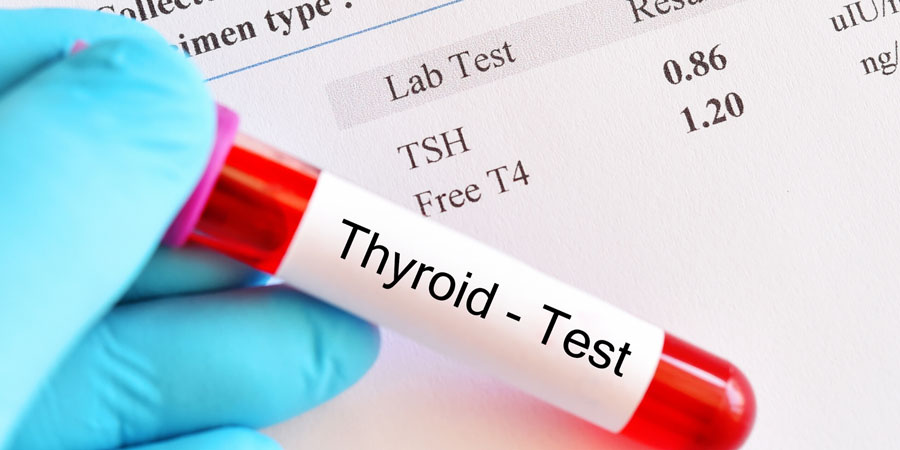
    Standard medical practice often relies exclusively on TSH (Thyroid Stimulating Hormone) as a singular tripwire. If that one number lands anywhere within a massive, generalized reference range, the investigation stops. At Vanguard Performance Labs, we consider this superficial screening unacceptable for anyone serious about optimization. Relying on a pituitary signal to judge the actual function of your metabolic engine preserves a massive blind spot in your health profile.

    We don’t deal in approximations. To understand why your engine is misfiring, we have to look past the warning light and inspect the machinery itself.

    Beyond TSH: What Is Included in a Full Thyroid Panel?

    True physiological optimization demands granular data. General approximations simply do not cut it.

    When we audit your internal biology, we aren’t interested in a quick glance at the dashboard warning lights; we need to see the complete metabolic cascade in motion. A comprehensive assessment – must evaluate six specific biomarkers: 

    1. TSH
    2. Free T4
    3. Free T3 
    4. Reverse T3
    5. Thyroid Peroxidase Antibodies (TPOAb) 
    6. Thyroglobulin Antibodies (TgAb)

    Anything less leaves you flying blind.

    The problem is that medical nomenclature often obscures the truth. A common scenario involves walking into a clinic and asking for a “total thyroid panel test” with the assumption that you are getting the full picture. Unfortunately, you may receive data that is functionally irrelevant. 

    You might notice what is missing: the active hormone.

    To be blunt, we do not care about “Total” T4.

    These levels include hormones bound to proteins, rendering them biologically inactive. Your cells cannot use them. We focus exclusively on “Free” levels because these are the hormones actually available to your tissues.

    The Physiology of the Markers

    You cannot optimize a system you do not understand. Here is the specific role each biomarker plays in your metabolic engine:

    • TSH (The Signal): This acts as the pituitary gland shouting at the thyroid to produce hormones. It is a request. Not a result.
    • Free T4 (The Storage): Produced by the thyroid, this prohormone circulates in the blood waiting to be converted. It represents potential energy.
    • Free T3 (The Active): The result of conversion. This is the gas. It enters the cell nucleus and dictates metabolic rate, cognitive speed, and muscle recovery.
    • Reverse T3 (The Brake): Under stress, the body converts T4 into Reverse T3 instead of Free T3. It blocks the receptors. Metabolic hibernation follows.
    • Antibodies (The Attack): TPOAb and TgAb indicate if your immune system is actively destroying your thyroid tissue (Hashimoto’s).

    If you aren’t measuring Free T3 and Reverse T3 simultaneously, your metabolic status remains a mystery.

    It is entirely possible to have perfect TSH and optimal T4 levels on paper. But if your T3 is low or your Reverse T3 is high, you are functionally hypothyroid. You will feel exhausted regardless of your “normal” labs.

    That distinction is critical.

    However, if you ask a general practitioner for this specific array, you will likely encounter resistance. This brings us to a frustrating reality in modern medicine.

    The Standard of Care vs. Optimal Health: Why Doctors Don’t Run Full Panels

    Most general practitioners follow a rigid laboratory algorithm known as the “TSH reflex.”

    It works like a flowchart. If your Thyroid Stimulating Hormone (TSH) levels fall anywhere within the broad standard reference range, the testing stops immediately. The lab equipment literally halts the process.

    No Free T3. No Reverse T3. No antibodies.

    This approach isn’t designed to sabotage you; it is designed to save money. The conventional medical model operates on triage and disease screening. Doctors are trained to look for pathology – frank illness severe enough to require immediate pharmaceutical intervention or surgery – rather than subtle physiological imbalances that degrade performance.

    At Vanguard Performance Labs, we differentiate between being “clinically normal” and “physiologically optimal.”

    A standard insurance-based clinic considers you healthy as long as you aren’t dying. We consider that a low bar. The gap between a reference range designed for the average sick population and the tight metrics required for elite cognitive and physical output is massive.

    Insurance billing codes often dictate that full panels are “medically unnecessary” without a pre-existing diagnosis. Consequently, you cannot rely on a system built for sickness to help you thrive. Obtaining a complete picture of your internal biology requires stepping outside these bureaucratic constraints and utilizing private testing to secure the data others ignore.

    Once you have the raw numbers in hand, the next challenge is understanding them. You need to know which specific markers correlate to the drag you feel during a workout or the brain fog hitting you at 2 PM.

    Decoding the Signals: Correlating Symptoms to Specific Biomarkers

    Symptoms are not random annoyances. They are data.

    At Vanguard Performance Labs, we view every physical sensation as a downstream effect of an upstream biochemical failure. When you feel “off,” your internal biology is signaling a specific breakdown in the optimization protocol. While standard medicine frequently dismisses these signals – provided the TSH falls within a broad reference range – we take a different approach.

    We map the subjective experience directly to the objective data.

    Consider the “tired but wired” phenomenon.

    You are exhausted to the bone, yet sleep remains elusive. Your stress tolerance is nonexistent. In our analysis, this specific profile rarely correlates with TSH. Instead, the data tracks closely with High Reverse T3. When this marker spikes, your body has effectively pulled the emergency brake to conserve energy. It is a biological reflex. Usually, this occurs as a direct response to chronic stress or aggressive caloric restriction.

    It isn’t laziness. You are biologically sequestered in starvation mode.

    Now consider a different scenario often missed by standard diagnostics. We see clients whose labs appear “normal” on paper, yet they are still battling cold hands, thinning hair, and persistent brain fog. At Vanguard, we recognize this distinct pattern as the classic signature of Low Free T3. While your thyroid is doing its job by producing the precursor hormone (T4), your metabolic machinery fails to convert it into the active T3 form that actually drives cellular performance. The fuel is sitting in the tank. The engine just isn’t getting any of it.

    Then consider the inflammatory profile.

    Joint pain. Systemic swelling. Deep fatigue that no amount of caffeine can touch. When we see these symptoms, they often point directly to High Antibodies (TPO or TgAb). What this means in practice is that even if your hormonal output looks technically “perfect” on paper, the presence of these antibodies confirms your immune system is actively attacking the tissue. 

    To eliminate guesswork, cross-reference your current state against the 20 common signs of thyroid dysfunction:

    1. Unexplained fatigue 
    2. Weight gain or inability to lose weight 
    3. Cold intolerance (hands/feet especially) 
    4. Hair loss or thinning 
    5. Loss of outer eyebrow third 
    6. Brain fog and poor memory 
    7. Depression 
    8. Anxiety or panic attacks 
    9. Chronic constipation 
    10. Dry, cracking skin 
    11. Muscle weakness 
    12. Joint pain and stiffness 
    13. Puffiness in the face 
    14. Irregular menstrual cycles 
    15. Low libido 
    16. Elevated cholesterol 
    17. Slow or irregular heart rate 
    18. Insomnia specifically involving early waking 
    19. Brittle nails 
    20. Hoarseness or neck swelling

    If you found yourself identifying with more than three of these items, the standard blood panel usually covers up the truth instead of revealing it. The data gets buried. That said, listing out symptoms is only the first stage of triage. When antibodies are the specific drivers behind these signals, we are no longer dealing with simple hormonal management.

    We are dealing with a confused immune system.

    Autoimmunity: Distinguishing Hashimoto’s from Graves’ Disease

    Most people operate under the assumption that they have a broken gland.

    They don’t.

    In many cases, the thyroid is actually functioning perfectly fine given the circumstances; it is simply an innocent bystander taking heavy fire from your own biology.

    Our first step is to screen for Hashimoto’s Thyroiditis. This condition manifests when the immune system decides to systematically dismantle thyroid tissue. To catch it, we look for two distinct biomarkers: Thyroid Peroxidase Antibodies (TPOAb) and Thyroglobulin Antibodies (TgAb). When these markers flag on your blood panel, it changes the diagnosis entirely. It indicates your body is treating its own metabolic engine as a foreign invader.

    Graves’ Disease presents a completely different biological reality.

    The markers change. We test for Thyroid Stimulating Immunoglobulin (TSI) and TSH Receptor Antibodies (TRAb). Unlike the destructive mechanisms of Hashimoto’s, these antibodies do not tear down tissue; they hijack the control center. The result is a gland forced to overproduce hormones until the engine inevitably burns out.

    Distinguishing between these states is non-negotiable.

    A protocol designed to suppress an overactive system will fail if the underlying mechanism is actually destructive autoimmunity requiring immune modulation (a nuance often missed in standard care). You cannot optimize physiology by guessing which side of the immune spectrum is firing. 

    At Vanguard, we view this specificity as a baseline requirement.

    But identifying the correct antibodies is only the first step. Accurate diagnosis is frequently blocked by a pervasive issue in standard medicine: how the establishment chooses to define “healthy.”

    The Data Gap: Standard Lab Ranges vs. Optimal Performance

    You cannot optimize what you measure against a broken ruler.

    Most clients assume the “reference range” on a lab report represents ideal health. It doesn’t. These numbers are usually calculated based on a bell curve of that specific lab’s total population.

    Think about who typically goes to a hospital for blood work.

    Since healthy, high-performing individuals rarely seek out diagnostic testing, the reference group ends up heavily skewed toward pathology. Being “in range” simply means you are statistically indistinguishable from the average unwell person.

    That is not the standard we set at Vanguard Performance Labs.

    We focus on functional ranges (specific biological windows where physiology thrives rather than barely survives). We don’t want to know if you are dying. We want to know if you are firing on all cylinders.

    Defining these targets allows us to bridge the gap between the clinical absence of illness and elite physical output. But applying these tighter standards requires absolute data integrity. Even the most sophisticated analysis fails if the blood sample itself is compromised by external factors you didn’t account for.

    Protocol: Test Preparation, Biotin Interference, and Logistics

    The most significant threat to the accuracy of your thyroid data is likely sitting in your supplement cabinet right now. Biotin. High doses of Vitamin B7 create a chemical disruption in the standard immunoassays used by most major laboratories. While essential for metabolic function, excess biotin competes with assay reagents in the test tube (a blind spot in many diagnostic protocols). This technical glitch produces a specific, misleading pattern: falsely suppressed TSH and falsely elevated Free T4.

    The lab report suggests you are hyperthyroid. Your internal biology says otherwise.

    This generates a “ghost” diagnosis.

    It leads to incorrect dosing strategies and wasted months trying to fix a problem that does not exist. To ensure data integrity, we enforce a strict washout period. You must discontinue any biotin-containing supplements – this includes B-complexes and standard multivitamins – at least 72 hours prior to your blood draw.

    If you are on a high-dose protocol for hair and skin health, a full week off is safer.

    Timing and Logistics

    Circadian biology dictates the rules here.

    TSH levels are not static; they fluctuate significantly throughout the day based on your internal clock. A blood draw at 3:00 PM renders the data useless for our benchmarking purposes because the levels will have naturally dropped.

    Testing must happen in the morning. Ideally between 7:00 AM and 9:00 AM. Fasted.

    This specific window captures TSH at its most clinically relevant baseline.

    We often recommend Direct-to-Consumer (DTC) channels over traditional doctor-ordered labs for this specific battery. The reality is that insurance models are designed to treat disease, not optimize performance; they typically reject comprehensive panels without a pre-existing diagnosis, forcing physicians to order incomplete tests. DTC grants you autonomy. It offers speed.

    Strategic Monitoring: Testing Frequency and Stages

    Optimization is not a one-time event. It is a process of calibration.

    Your initial diagnosis must always utilize the full panel to establish a concrete baseline. Without this complete data set, we are flying blind. If markers are off and we initiate a protocol involving medication or specific supplementation, we enter the titration phase. This is the most critical window for data collection.

    Biology moves at its own speed.

    Thyroid hormones generally require six to eight weeks to stabilize in the blood. Testing sooner yields noise; testing later risks wasted time on an ineffective dose. Consequently, we re-test the full thyroid panel within that six-to-eight-week window to verify how your internal biology responds to the inputs.

    Do not make the mistake of reverting to TSH-only monitoring during this stage.

    A normalized TSH often masks poor peripheral conversion. You might have sufficient T4, but if your body fails to convert it to active Free T3, performance suffers regardless of what the standard chart says. We monitor the entire pathway to ensure the protocol delivers results where they count. Once stability is confirmed, frequency drops to a bi-annual audit to ensure you maintain that elite edge.

    Final Analysis: Take Control of Your Physiology

    Once we eliminate the guesswork, the path to optimization becomes clear. Operating without a complete picture of your internal biology is a strategic error. You simply cannot manage what you refuse to measure.

    So stop accepting “normal” as a diagnosis when you feel suboptimal. Check us out online today.

    Demand the full panel. If standard avenues won’t provide the depth you require to assess your metabolic health, order the diagnostics independently. True performance relies on precision. Not hope. Take control of your physiology with objective data, because your potential is too valuable to leave hiding in a blind spot.

  • Precision Health: The Ultimate Guide to At-Home Cortisol Test

    Unexplained fatigue, sleep disruption, or stubborn weight gain often signal a dysregulated stress response. To fix it, you have to measure it. This guide breaks down the science behind at-home cortisol testing and explains why we view mapping your diurnal rhythm via saliva as the gold standard for optimizing metabolic health.

    Cortisol gets a bad rap. It isn’t the enemy. It’s fuel.

    The problem arises when you fly blind. For years, elite optimization was limited by a lack of access to real-time physiological markers, forcing even the most dedicated athletes to rely on intuition rather than facts. At Vanguard Performance Labs, we believe that era is over. You cannot optimize what you do not measure.

    The clinical landscape has shifted. You no longer need a doctor’s appointment just to obtain elite-grade insights. With high-accuracy at-home cortisol testing, you can now capture the precise bio-data necessary to fine-tune your protocols without ever leaving your living room. This capability effectively bridges the gap between guessing and knowing. That said, raw numbers are useless without context. To actually leverage this technology, you first need to recognize the subtle physiological signs – those quiet signals your body sends – that suggest your levels are drifting off-track.

    But data is useless without context. To leverage this technology effectively, you first need to recognize the subtle physiological signs that suggest your levels are drifting off-track.

    Decoding the Signals: When to Check Your Cortisol

    It is easy to blame lingering fatigue on a lapse in discipline or perhaps a mere lack of sleep. We see this assumption constantly. Yet the root cause is often strictly biological. When the Hypothalamic-Pituitary-Adrenal (HPA) axis begins to dysregulate, the delicate feedback loop controlling your energy doesn’t just falter; it breaks down. The body responds by sending out specific physiological flares (warning signs that go beyond simple tiredness). These markers are our indication that we need to stop guessing and start testing.

    But usually, the root cause is strictly biological.

    At Vanguard Performance Labs, we analyze these signals by looking at your day in reverse.

    Ideally, you should experience the Cortisol Awakening Response (CAR). This is a sharp, natural spike within thirty minutes of waking that actually energizes you. Compare that to waking up feeling like you’ve already run a marathon. Your heart races. Immediate anxiety sets in. If this sounds familiar, your AM levels are likely redlining.

    Conversely, maybe you require three alarms and a double espresso just to reach baseline functionality. In that scenario, your morning cortisol has likely bottomed out.

    Then there are the physical markers.

    We often see clients confused by specific body composition changes that seem to defy their training volume. They are putting in the work, but the results aren’t matching up. Chronic high cortisol encourages visceral fat storage deep in the abdomen, pushing the abdominal wall outward. This “cortisol belly” feels firm. It protrudes noticeably, distinct from softer subcutaneous fat.

    You might notice other weird symptoms of high cortisol, too. Sudden, unexpected salt cravings are common (electrolyte imbalances often follow HPA dysfunction). Dizziness upon standing is another red flag. Or perhaps a sudden, unexplained intolerance to bright lights.

    Perhaps the most frustrating state for the high-performing individual is the “wired but tired” phenomenon.

    You drag through the day, fighting heavy eyelids and distinct brain fog. Then you hit the pillow. Wide awake. This physiological contradiction often points to an inverted cortisol curve. Your levels are likely bottoming out in the morning when you need drive, only to spike at night when you most need recovery. We view identifying these metabolic patterns as the prerequisite for optimization.

    Identifying these metabolic patterns is the first step toward optimization.

    That said, feeling “off” isn’t a metric we can actually track. To build a precise protocol, we need to capture these hormonal fluctuations with clinical accuracy. This raises a critical question: which collection method actually delivers the data you need?

    Methodology Matters: Saliva vs. Blood vs. Urine

    Not all biological samples tell the same story.

    When clients ask us, “Can I check my cortisol levels at home?” The answer is a resounding yes, but the medium you choose dictates the utility of the data we get back. In a clinical setting, your doctor might default to a serum (blood) draw. While standard, this method presents a significant variable for performance analysis: it measures total cortisol.

    Total cortisol includes the hormone bound to proteins like cortisol-binding globulin (CBG).

    Bound hormones are essentially in storage. They are biologically inactive.

    That is why our protocols at Vanguard Performance Labs prioritize free cortisol. This is the bioavailable fraction. Unbound. Ready to execute. Since it isn’t locked in storage, this cortisol is circulating in your system and interacting with receptors to modulate inflammation, energy mobilization, and cognitive function. Saliva testing is crucial here because it captures that active fraction. It gives us a precision view of what your physiology is actually experiencing in real-time.

    There is also the “Heisenberg certainty” of blood draws to consider.

    Venipuncture – the act of getting stuck with a needle – is an acute physical stressor. If you are trying to figure out how to check to see if you have high cortisol, introducing a pain response seconds before collection can artificially spike your levels. It corrupts the baseline.

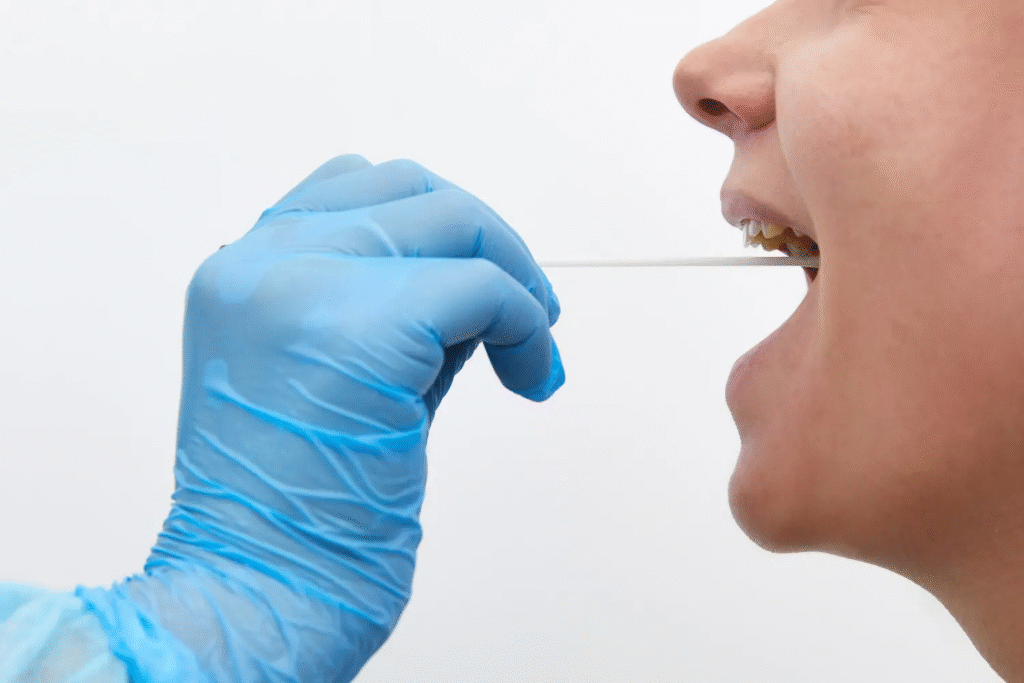
    Saliva collection is passive. You simply chew on a cotton swab or spit into a tube. No stress response. No skewed data.

    You will find quite a few practitioners who utilize urine testing, often strictly looking at dried samples. This methodology measures metabolites. It is excellent for calculating the total volume of cortisol your body produces over a 24-hour window, but it fails to capture the rhythm (which is what matters for distinct physiological profiling). Think of it like looking at a fuel gauge without knowing how fast the car was driving at any specific moment. We can see that you produced cortisol. We just cannot pinpoint when it was released.

    For the precision required to optimize athletic and cognitive output, saliva is the superior diagnostic tool.

    It forces us to address one final limitation, though. A single sample is just a snapshot.

    Knowing your cortisol level at 8:00 AM provides a data point, but it tells us nothing about your recovery capacity or evening crash. A static number is useless for dynamic optimization.

    To build a protocol that works, we have to look at the slope of the curve.

    The Science of Timing: The Diurnal Cortisol Curve

    Your hormonal system doesn’t operate on a static drip feed. It functions in waves.

    To truly understand your metabolic profile, we have to map the specific rhythm of these fluctuations across a full twenty-four-hour window. This biological pattern is what we call the diurnal curve. For the high-functioning individual, a flat line is never the objective; we want to see a dynamic, responsive slope that mirrors your activity demands.

    The cycle begins the precise moment you wake up. Scientists call this initial phase the Cortisol Awakening Response (CAR). During that pivotal first hour of consciousness, your brain actively signals the adrenal glands to flood the system with energy. Think of this simply as your physiological ignition switch.

    A sharp, distinct rise here indicates a system primed for peak performance (your green light for high-output training). A blunted response, however, often correlates with burnout or chronic fatigue.

    This context is precisely why we reject single-point testing for cortisol profiling.

    A solitary blood draw at 9:00 AM provides a snapshot without a story. It tells us almost nothing about your recovery capacity. You might show a perfectly normal reading in the morning. But if that level fails to drop significantly by bedtime? Your recovery metrics will suffer regardless of your training intensity.

    We simply need the full narrative. Standard comprehensive cortisol tests require multiple data points. That is why our team at Vanguard Performance Labs relies on a four-point collection protocol – morning, noon, evening, and night – to capture the complete circadian rhythm rather than a static moment. We are looking for a precise trajectory here. Your levels should be highest upon waking, drop precipitously by noon, taper gently through the evening, and hit their absolute floor right before sleep.

    With this four-point visibility, we can isolate exactly where your axis is dysregulated. Take the “tired and wired” executive profile. They might look physiologically optimized in the morning but fail to taper at night, creating a sleep deficit that ruins the next day’s performance. Then there is the overtrained athlete. We often see a flattened curve all day long with this demographic. Evidence of systemic exhaustion.

    But capturing this delicate rhythm requires strict adherence to protocol. Even the most advanced analysis fails if the sample itself is compromised by external variables.

    Accuracy, Preparation, and Interfering Factors

    The variable in this equation usually isn’t science. It’s you.

    Cortisol refuses to sit still. As a volatile hormone, it reacts aggressively to immediate stressors, meaning your actions in the hours leading up to sample collection determine whether the data is valid or useless. If you down a double espresso before spitting into the tube, you aren’t measuring your baseline adrenal function (the goal). You are simply measuring your body’s reaction to caffeine.

    To ensure data integrity, we enforce a strict pre-test protocol.

    This “washout period” is non-negotiable for anyone serious about accurate metabolic profiling. For the 12 to 24 hours prior to testing, specific triggers must be avoided:

    • Vigorous exercise. A heavy deadlift session or high-intensity interval training spikes cortisol acutely. 
    • Stimulants. Factors like caffeine and nicotine artificially elevate adrenal output.   
    • Gum and brushing. This sounds minor, but even slight friction can cause micro-bleeds in the gums. Blood contamination introduces protein-bound cortisol into the sample, which skews the “free” cortisol reading we need to capture.   
    • Acidic or blood-thinning foods. Certain inputs can alter saliva pH or induce micro-abrasions.

    When these protocols are followed, the reliability of these diagnostics is high. Exceptionally high.

    The kits we recommend utilize CLIA-certified laboratories – the exact same facilities used by hospitals and primary care physicians. By employing Liquid Chromatography-Mass Spectrometry (LC-MS/MS), these labs detect hormone levels with clinical precision. The technology is identical.

    The difference lies in the objective.

    Traditional medicine uses these numbers to diagnose pathology. Doctors generally look for levels that are catastrophically high or low, screening for conditions like Addison’s disease or Cushing’s syndrome.

    At Vanguard Performance Labs, our lens is different.

    We aren’t looking for disease. We are looking for optimization. A result might fall within the “normal” clinical reference range yet still indicate a dysregulated rhythm that hampers individual athletic recovery or cognitive focus. We analyze the curve for sub-clinical deviations. These are the subtle shifts that separate good health from peak performance.

    Once you trust the data, the next hurdle is often practical implementation.

    Logistics: Cost, Turnaround, and Insurance

    Now, regarding insurance.

    We often get asked if major carriers cover these kits. The direct answer is usually no. Because these are wellness tools rather than diagnostic procedures ordered by a primary care physician for a specific pathology, they fall outside standard coverage. However, most reputable functional testing companies accept HSA (Health Savings Account) and FSA (Flexible Spending Account) payments.

    Using pre-tax dollars effectively discounts the protocol by your marginal tax rate.

    We engineered the collection process for minimal friction. You simply collect the sample – usually saliva – seal it in the provided biohazard bag, and drop it in a prepaid mailer. 

    Emerging biosensor technology aims to shrink this window to minutes, but for now, the mail-in model remains the gold standard for accuracy.

    Once that digital dashboard lights up with your cortisol curve, the logistics end and the real work begins.

    Data to Action: Optimizing Your Stress Response

    Raw data holds zero value without context. It is just noise.

    We call this critical next step the translation phase.

    If your results show a curve that stays stubbornly elevated – refusing to taper off in the evening – we pivot the protocol immediately toward downregulation. This adjustment is urgent. In practice, this might mean shifting High-Intensity Interval Training to the morning hours or integrating specific adaptogens like ashwagandha. Other times, the obstruction is environmental. We may need to radically overhaul your pre-sleep surroundings to forcefully lower sympathetic nervous system activation.

    A flatline demands a different tactical approach. When cortisol is chronically suppressed or the diurnal rhythm is inverted, the operational goal shifts entirely toward restoration. We often prioritize maximizing early morning light exposure and adjusting macronutrient timing to gently coax the HPA axis back into a healthy cadence. That said, keep this in mind. An at-home cortisol test is a reconnaissance tool, but it is not a diagnosis.

    While these insights are powerful for bio-hacking your daily routine, we strongly recommend reviewing your physiological markers with a healthcare provider or a performance specialist. They possess the clinical background to distinguish between a temporary slump and a complex endocrine issue that requires medical intervention.

    At Vanguard Performance Labs, we view this data as the blueprint for your next level. You aren’t just managing stress. You are engineering resilience.

    That is the definition of true optimization.

  • Pregnenolone for Men: Benefits, Dosage & The Cortisol Steal

    Often overshadowed by testosterone, pregnenolone is the critical precursor from which all steroid hormones are born. This guide breaks down the science of the ‘cortisol steal,’ the role of neurosteroids in cognitive performance, and how to safely integrate pregnenolone into a male optimization protocol.

    Conversations about male hormonal optimization almost always land on testosterone.

    We understand the fixation. It makes sense. That primary hormone drives muscle protein synthesis, fuels libido, and sustains the competitive edge required for elite output. Yet looking exclusively at the end result ignores the upstream physiology. The source code. This is where pregnenolone enters the optimization equation. Frequently referred to as the “Grandmother Hormone,” this neurosteroid is synthesized directly from cholesterol inside your mitochondria. Think of it as the raw substrate. It acts as the requisite precursor for virtually every steroid hormone in your system. We are talking about DHEA, progesterone, cortisol, and yes, testosterone itself.

    But there is a biological catch.

    Endogenous production hits its peak in your twenties. Around age 30, it begins a consistent decline. By the time many men turn to us for performance coaching, their internal manufacturing has created a bottleneck that downstream supplementation cannot fully resolve.

    At Vanguard Performance Labs, our protocols prioritize upstream hormonal management.

    You cannot optimize output if the input is deficient. It is a biological impossibility. To truly grasp why this precursor is non-negotiable for elite physical and cognitive function, we need to examine its specific position in the chain of command. Start by picturing your endocrine system as a high-stakes manufacturing plant. 

    The Biological Hierarchy: How Pregnenolone Works

    Start by picturing your endocrine system as a high-stakes manufacturing plant.

    Cholesterol acts as the feedstock. The factory floor? That is the mitochondria.

    The process kicks off deeper than most people realize, taking place strictly within the inner mitochondrial membrane. This is where cholesterol is converted into pregnenolone. There is a reason we refer to this molecule as the “grandmother” of all steroid hormones. It represents the critical fork in the road for male physiology.

    Once synthesized, that molecule faces a split path determined entirely by which enzymes are waiting nearby.

    It can head down the DHEA pathway (the direct route to testosterone and estrogens). Or, it diverts toward progesterone. That second road eventually winds its way to cortisol and aldosterone.

    Location dictates everything here.

    Since synthesis occurs inside the mitochondria, your hormonal output is inextricably linked to cellular energy production. If mitochondrial function slips, pregnenolone synthesis doesn’t just slow down. It stops. The assembly line halts.

    At Vanguard Performance Labs, we see pregnenolone dismissed as merely a pro-hormone – a simple means to an end. But that view ignores a massive component of your cognitive architecture. It operates independently as a potent neurosteroid. By modulating NMDA receptors in the brain, it has a direct hand in synaptic plasticity and your ability to retain new skills.

    You feel it in your head long before you see it in the mirror. Men with low pregnenolone typically report specific symptoms: memory gaps, heavy “brain fog,” or a complete collapse of motivation. We know you cannot train with elite intensity if the neural drive is missing.

    Issues manifest differently further down the chain.

    If the conversion path to progesterone is blocked (or underfunded), you lose your physiological “off switch.” Signs of low progesterone in men often look like chronic anxiety, wrecked sleep patterns, or an inability to recover from high-volume training blocks. The system gets stuck in sympathetic overdrive.

    That said, having adequate cholesterol and robust mitochondria brings no guarantees regarding high testosterone.

    The body follows a strict hierarchy of needs. There is one specific survival mechanism capable of draining your pregnenolone reserves dry before anabolic hormones ever get a fighting chance to form.

    The ‘Pregnenolone Steal’: Stress vs. Testosterone

    Functional medicine practitioners often refer to this specific mechanism as the “Pregnenolone Steal.”

    While the term itself acts as a shorthand for a highly complex process, the underlying physiology is undeniable. Think of your adrenal glands as a manufacturing plant operating with a strictly capped supply of raw materials. Pregnenolone sits right at the start of that assembly line.

    In an optimal scenario, a significant percentage of this precursor converts into DHEA. This eventually synthesizes into testosterone – the precise anabolic pathway we want to maximize for hypertrophy and recovery.

    But the body has a different priority list.

    When you encounter stress – whether it’s physical, emotional, or environmental – your system demands cortisol. Immediate survival always takes precedence over reproduction.

    From an evolutionary standpoint, this makes perfect sense. If you were sprinting away from a predator on the savanna, your physiology had zero use for libido or muscle synthesis. It needed the massive energy mobilization provided by cortisol just to survive the next ten minutes. To meet this urgent demand, your adrenals divert pregnenolone away from the testosterone pathway.

    Instead, it gets shunted down the progesterone-to-cortisol pathway.

    It is, effectively, a form of biochemical triage.

    The real trouble starts when the “predator” never goes away.

    In modern high-performance environments, chronic stress keeps this diversion valve stuck in the open position. What drains pregnenolone usually isn’t a single grueling workout. It is the accumulation of work deadlines, systemic inflammation, sleep debt, and nutritional deficiencies. You end up with elevated cortisol and suppressed testosterone not because your testes are failing, but because the raw materials were hijacked upstream.

    We see this manifested most clearly in circadian disruptions. Sleep is the time when the hormonal factory attempts a reset (a critical window for optimization). When that biological rhythm breaks, the machinery falters. 

    When the body perceives a constant state of emergency, it creates a deficit that extends far beyond muscle tissue. While the drop in testosterone affects your physical output, the depletion of the master hormone results in arguably more immediate consequences for your cognitive function.

    Pregnenolone in TRT and Hormone Optimization

    For athletes and clients on Testosterone Replacement Therapy (TRT), the physiological landscape shifts immediately.

    The moment you introduce exogenous testosterone, your body’s negative feedback loop recognizes the surplus and essentially pulls the plug on Luteinizing Hormone (LH) and Follicle-Stimulating Hormone (FSH). This signals the testes to cease operations. Most men anticipate this. They understand that natural testosterone production will stop.

    But there is a secondary casualty that rarely gets discussed.

    Your internal production of pregnenolone stops cold.

    You could dial your serum testosterone numbers to elite levels, but if you fail to address this specific pathway, you will likely still feel off. Brain fog. Creeping anxiety. Perhaps that flattened mood characteristic of a neurosteroid deficiency. While TRT handles the physiology of muscle and drive effectively, it often leaves the brain starving for support (a gap many providers miss). We introduce pregnenolone to provide the raw substrate your body actually requires to maintain those critical neurological pathways that standard protocols tend to ignore.

    Substrate vs. Signal

    We often field inquiries about whether pregnenolone is sufficient to maintain testicular size during a protocol. To put it bluntly: usually not. While pregnenolone provides the necessary substrate (think of it as the raw building blocks) to keep steroidogenesis active, it cannot mimic the LH signal required to actually preserve organ volume. That specific mechanism is where Human Chorionic Gonadotropin (HCG) distinguishes itself. Pregnenolone keeps the internal chemical cascade running. The physical mass, however, is a different story.

    DHEA or Pregnenolone?

    Choosing the right precursor depends entirely on your specific physiology (and lab work). That said, a distinct hierarchy exists.

    Pregnenolone sits at the very top of the cascade.

    You can think of it as the “grandmother” hormone. Because of its upstream position, it offers a much broader potential for conversion into progesterone and allopregnanolone – both of which are non-negotiable for calmness and proper sleep architecture. DHEA sits further downstream.

    While DHEA provides excellent support for metabolic health and direct androgen production, pregnenolone casts a wider net regarding neuroprotective benefits. If the objective is cognitive restoration and stress resilience, this is the primary lever we pull.

    Flooding the system with precursors isn’t the final step, however. You need to verify exactly where those hormones are going once they enter the metabolic pipeline.

    Testosterone Expectations and Estrogen Management

    Marketing often sells the impossible. Most of us have seen those aggressive ads promising to boost testosterone by 200% with a single “miracle” precursor, but those claims rarely hold up under clinical scrutiny. At Vanguard Performance Labs, we deal in physiological reality. Not hype.

    Pregnenolone behaves as a substrate rather than a stimulant.

    Think of it as filling a fuel tank instead of slamming on the accelerator. By providing this raw material, you allow your system to synthesize testosterone naturally rather than forcing the physiological process. It creates capacity. That distinction is why we cannot give a single number when asked exactly how much pregnenolone raises testosterone. The result relies entirely on your specific enzymatic activity and your current rate of steroidogenesis.

    For men starting with exhausted substrate levels, the correction can be massive. For others? It might be subtle.

    But there is a specific risk to flooding this pathway: conversion to Estradiol (E2).

    The metabolic cascade doesn’t move in a straight line toward testosterone; it branches out. When your body accumulates excess pregnenolone that it can’t convert to androgens fast enough (or if your aromatase activity happens to be high), that surplus often diverts straight toward estrogen. This spillover effect explains why blind supplementation usually fails.

    We sometimes see men taking massive doses without running bloodwork, only to end up with water retention, significant mood swings, or even gynecomastia.

    Those are signs of unchecked estrogen, not optimized performance. The real goal is elevating downstream androgens while keeping E2 within a specific window that supports joint health and libido without triggering systemic inflammation. Controlling this conversion relies heavily on selecting the right delivery mechanism to ensure the hormone gets used. Not wasted.

    Bioavailability and Dosage Protocols

    Bioavailability dictates efficacy. It does not matter what number is printed on the label if your body cannot absorb the compound; that dosage becomes theoretical. It is just ink on a bottle.

    Standard oral pregnenolone fights a losing battle against the “first-pass effect.”

    Your liver metabolizes a massive percentage of the hormone before it ever reaches systemic circulation, leaving you with a mere fraction of what you actually swallowed. While micronized oral formulations attempt to solve this by reducing particle size, they still face the same fundamental obstacle: traversing the digestive system.

    Transdermal application changes the bio-mechanics entirely.

    By applying a cream or gel to thin-skinned areas – think inner forearms or behind the knees – the hormone bypasses the liver completely. It enters the bloodstream directly.

    Our protocol emphasizes precision. Not volume. We recommend establishing a starting baseline strictly between 10mg and 30mg daily. By utilizing this conservative entry point, you can effectively monitor subjective feedback markers – such as mental focus and energy availability – without the immediate risk of spiking estradiol levels. From there, you can titrate upward in small increments. But do this only if your metrics indicate a genuine physiological need for greater saturation.

    Finding this physiological balance is critical. Mismanaging the dosage curve does not just stall progress; it invites specific adverse reactions that can derail your training cycle. Pregnenolone sits at the very top of the steroid cascade. That said, treating it like a benign supplement is a mistake. This precursor drives down metabolic pathways you might not intend to activate (and often cannot control once started).

    Moving Forward: Optimizing Your Hormonal Hierarchy

    At Vanguard Performance Labs, we prioritize foundation over decoration. You cannot optimize a system that is constantly in “fight or flight” mode; addressing cortisol dysregulation and lifestyle stressors often yields better ROI than any single supplement.

    That said, specific profiles see undeniable benefits.

    If you are currently on a TRT protocol, experiencing cognitive slowing due to age, or managing a high-output lifestyle, restoring this precursor can reestablish homeostasis. But guessing is negligent.

    We advise obtaining a comprehensive blood panel to map your current neurosteroid levels before initiating therapy. Data drives performance. Let the numbers dictate your strategy, not the hype.

  • The Comprehensive Metabolic Panel: Decoding Your Biological Dashboard

    Your blood tells a story that goes far beyond simple disease detection. We view the Comprehensive Metabolic Panel as the foundational blueprint for optimizing performance, managing energy systems, and catching imbalances before they become medical statistics.

    When you drive a car, you check the dashboard. You need to see the fuel gauge, temperature, and warning lights. These readings tell you if the vehicle runs properly.

    Your body works the same way. Most people treat blood tests as a simple health check. They visit the doctor, provide blood samples, and wait for results. A week passes, then someone calls to say the tests look fine. At Vanguard Performance Labs, we take a different approach to blood testing. The word ‘normal’ often means you don’t have a disease right now. It doesn’t mean your body functions at its best.

    The comprehensive metabolic panel (CMP) appears on most routine lab orders in medical practice. Yet few practitioners use this test to improve physical performance. The panel contains 14 biomarkers that show how your body manages energy and maintains chemical balance.

    Our analysis goes beyond finding problems. We examine kidney health, liver function, electrolyte balance, and glucose regulation to understand your complete physiology. We search for ways to enhance your performance.

    This guide explains each marker, its importance, and how to use the results to improve your health.

    What is a Comprehensive Metabolic Panel?

    A comprehensive metabolic panel tests 14 substances in your blood. This test evaluates your body’s chemical balance and energy processes. The term metabolism refers to the chemical reactions that produce and use energy in your cells.

    The Basic Metabolic Panel (BMP) differs significantly from the CMP.

    A BMP includes eight tests for blood sugar, kidney function, and electrolytes. The CMP contains these eight tests plus six additional measurements that assess liver function and protein levels.

    The extra tests matter. Liver markers reveal crucial information. Your liver filters toxins and produces essential proteins. Missing these measurements creates gaps in your health assessment when working toward better performance.

    The 14 markers fall into four main groups:

    Glucose: Blood sugar levels
    Kidney Function: Waste removal and fluid control
    Electrolytes: Minerals for nerve and muscle function
    Liver Function and Proteins: Detoxification and protein production

    Each category provides specific information about how your body functions.

    Glucose: The Energy Gauge

    Glucose serves as the primary fuel for cells throughout your body. Your brain and muscles require this sugar for proper function.

    The glucose reading on your CMP shows your blood sugar level at the moment of testing, typically after fasting overnight.

    The Fasting Glucose Baseline

    Normal fasting glucose ranges from 70 to 99 mg/dL according to standard references. A reading of 98 mg/dL falls within normal limits.

    We examine these numbers more closely. A glucose level of 98 mg/dL sits near the upper limit of normal. This suggests your body may struggle to clear sugar from the bloodstream after fasting all night. We prefer to see lower numbers that indicate efficient sugar processing and insulin function.

    High fasting glucose interferes with fat burning, reduces mental clarity, and causes energy drops during the day. When excess fuel floods the system, performance declines.

    The Context of Stress

    Glucose readings respond to stress. If blood draws make you anxious, your body releases cortisol. This hormone tells your liver to release stored sugar into the bloodstream.

    Medical anxiety can temporarily raise glucose levels. When glucose appears high but other tests show normal long-term sugar control, the blood draw itself may have caused the elevation. Understanding context helps interpret results accurately.

    Kidney Function: The Filtration System

    Your kidneys filter waste from blood and balance fluids and minerals. When kidneys work poorly, recovery slows and inflammation increases.

    The comprehensive metabolic panel includes two kidney markers and a calculated ratio.

    Blood Urea Nitrogen (BUN)

    BUN measures nitrogen waste from protein breakdown. Your body produces urea when it processes protein.

    Athletes often show elevated BUN levels.

    In sedentary people, high BUN may signal kidney problems or dehydration. But if you eat substantial protein and train hard, you naturally produce more urea waste.

    We consider the whole picture. Is BUN elevated due to kidney dysfunction? Or does it reflect last night’s protein intake and this morning’s workout? Making this distinction prevents unnecessary concern.

    Creatinine

    Muscles produce creatinine waste when they break down creatine. Healthy kidneys filter out this substance.

    This marker requires careful interpretation in athletic individuals. People with more muscle mass produce more creatinine. A muscular person may show “high” creatinine levels while their kidneys function normally.

    Low creatinine indicates insufficient muscle mass or poor protein intake. This finding raises concerns about strength and healthy aging.

    The BUN/Creatinine Ratio

    This calculation helps identify the cause of abnormal values. When BUN rises but creatinine stays normal, dehydration is the likely cause rather than kidney damage. Athletes tracking performance markers frequently show this pattern without recognizing their fluid needs.

    Electrolytes: The Electrical Grid

    Your muscles, nerves, and heart depend on electrolytes to transmit electrical signals. Without proper electrolyte balance, muscles cramp, thinking becomes foggy, and heart rhythms may become irregular.

    The CMP tests four key electrolytes.

    1. Sodium

    Sodium maintains fluid balance and nerve signals. Low sodium poses greater immediate danger to athletes than high sodium. We evaluate sodium to assess hydration and adrenal function. Long-term stress can deplete sodium, causing dizziness when standing.

    2. Potassium

    Potassium works opposite sodium to control heart rate and muscle function. It supports cellular health.

    Low potassium often results from poor vegetable intake or drinking too much plain water. High potassium may indicate kidney problems or excessive supplements.

    3. Chloride

    Chloride follows sodium to maintain blood volume, pressure, and pH balance. Abnormal levels usually reflect hydration issues or acid-base problems from breathing difficulties or metabolic stress.

    4. Carbon Dioxide (CO2)

    The CMP measures CO2 as bicarbonate, which indicates blood pH. Low CO2 may signal metabolic acidosis. In athletes, this can mean incomplete recovery. Hard exercise creates acids that use up bicarbonate buffers. Chronically low CO2 suggests you need more recovery time between workouts.

    Proteins: The Structural Foundation

    Blood proteins keep fluid in vessels and transport substances throughout the body.

    Total Protein

    This measures albumin and globulin combined.

    Albumin

    Albumin makes up about 60% of blood protein. The liver produces it to prevent fluid from leaking out of vessels.

    Albumin levels reflect nutrition and liver health. Low albumin indicates poor protein absorption or reduced liver production.

    Good albumin levels support recovery and hormone transport.

    Liver Function: The Detox Engine

    The CMP includes liver tests absent from basic panels. Your liver participates in hundreds of metabolic processes. Poor liver function means poor energy production.

    We measure these enzymes and one waste product.

    1. Alkaline Phosphatase (ALP)

    ALP comes from liver and bone tissue. High levels may indicate liver stress or bone activity. Teenagers and healing athletes often show elevated ALP from normal bone processes.

    2. Alanine Transaminase (ALT) and Aspartate Transaminase (AST)

    These enzymes leak from damaged liver cells. AST also comes from muscle tissue.

    This distinction matters for active people. Heavy exercise raises AST and sometimes ALT from muscle damage, not liver disease.

    Many practitioners miss this connection. We recommend avoiding hard training for 48 hours before testing to get accurate liver readings.

    3. Bilirubin

    Red blood cell breakdown produces bilirubin, which the liver processes for removal. High bilirubin suggests slow liver processing. Gilbert’s Syndrome, a harmless genetic variant, causes mild chronic elevation. Distinguishing this from liver disease requires proper evaluation.

    Calcium: The Signaling Mineral

    Blood calcium differs from bone calcium. This test measures circulating calcium needed for heart and nerve function.

    Your body will pull calcium from bones to maintain blood levels. Normal blood calcium doesn’t guarantee strong bones. It confirms your calcium regulation works properly.

    The Vanguard Philosophy: Reference Ranges vs. Optimal Ranges

    Laboratory reference ranges come from population statistics. Labs collect results from all patients, including those with poor health. They calculate averages and standard deviations. If you fall in the middle 95%, they call you normal.

    Being average among unhealthy people doesn’t equal good health. We use tighter functional ranges based on healthy populations with good longevity markers.

    For instance, standard liver enzyme ranges may extend to 40 U/L. Research shows health risks increase above 25-30 U/L. We address concerning trends before they exceed conventional limits.

    Interpreting Patterns, Not Just Numbers

    Single values rarely tell the complete story. Patterns reveal more.

    The Dehydration Pattern

    High albumin, high sodium, and elevated BUN/creatinine ratio indicate dehydration. Blood concentration makes all values appear elevated. The solution involves proper hydration with minerals.

    The Stress Pattern

    High glucose combined with low potassium and sodium may indicate adrenal stress and cortisol problems. These findings suggest focusing on sleep, stress management, and training adjustments.

    Moving Forward with Your CMP Results

    Blood work serves as a window into your body’s internal processes. The comprehensive metabolic panel measures 14 specific markers that show how your organs function and whether your body maintains proper chemical balance.

    Reading these results involves more than checking if numbers fall within standard ranges. The relationships between different markers often matter more than individual values. Several markers at the high end of normal might signal developing issues, while a single abnormal result could mean nothing significant.

    At Vanguard Performance Labs, we use CMP data to find areas where small changes can yield better outcomes. We assess kidney function in relation to protein intake and training volume. We evaluate liver enzymes based on your recovery needs and lifestyle demands. We examine electrolyte patterns to ensure they match your activity levels.

    The information from your CMP can guide practical decisions. You might discover you need more consistent hydration throughout the day. Your results could show that recovery between training sessions needs adjustment. Perhaps your protein intake requires modification based on kidney markers.

    These 14 biomarkers provide objective data about your physiology. By learning to interpret this information properly, you gain the ability to make targeted improvements in your health and performance. The numbers tell a story – understanding that story puts you in control of writing the next chapter.

  • Hormone Testing for Women: The Science of Elite Optimization

    For the female athlete, physiology is not static; it is a dynamic rhythm that dictates recovery, power output, and mental acuity. Understanding your internal biochemistry through advanced hormone testing transforms invisible barriers into measurable metrics for success.

    The female body runs on hormones that change throughout the month. These chemicals control protein production and energy use during exercise.

    At Vanguard Performance Labs, we use lab data to guide training decisions. Hormone testing does more than detect illness. It shows how your body handles training stress and recovers afterward. Training without this information means missing important details about your physiology.

    The Physiology of Performance

    Hormones move through the bloodstream carrying messages to organs and tissues. They tell your body when to build muscle and when to break it down. During proper training, this system creates adaptation. You lift weights, rest, and become stronger.

    Problems occur when hormone signals get disrupted. High cortisol or low thyroid function changes your training results. Your body stops building muscle and starts protecting itself. It stores fat instead of burning it. You lose the desire to train hard.

    Hormone testing lets us see these internal processes and make adjustments.

    Beyond the ‘Normal’ Range

    Medical normal ranges and athletic optimal ranges are different. Doctors compare your results to the general population. This includes people who don’t exercise and have various health conditions.

    Athletes need to be better than normal. Normal just means no disease is present. Average hormone levels create average results. A TSH of 4.0 mIU/L is medically acceptable. For athletes, this often means slow recovery and poor metabolism.

    At Vanguard, we look for hormone levels that support performance. We find the ranges where athletes can train hard and recover well.

    Signs You Should Consider Testing

    Your body communicates through subtle signals long before serious health concerns emerge. Understanding these indicators helps you distinguish between normal training stress and genuine physiological imbalance.

    Deep, Systemic Fatigue manifests differently than post-workout tiredness. This pervasive exhaustion seeps into every aspect of daily life – morning coffee loses its effect, simple tasks feel overwhelming, and no amount of sleep brings restoration. Unlike normal training fatigue that resolves within 24-48 hours, this exhaustion persists for weeks, affecting work performance, social interactions, and basic daily activities.

    The Performance Plateau presents a frustrating paradox. Despite meticulous programming, progressive overload, and consistent training attendance, your strength numbers stagnate or regress. This differs from temporary plateaus that last 2-3 weeks. When proper deload weeks, technique adjustments, and program modifications yield no improvement over several months, deeper investigation becomes warranted.

    Composition Shifts occur when your body stops responding predictably to nutrition protocols. Following a well-calculated plan that previously worked, you might notice unexpected fat accumulation around the midsection or gradual muscle loss despite adequate protein intake. These changes happen slowly but persistently, resisting standard dietary adjustments that would normally correct such issues.

    Cycle Issues extend beyond simple irregularity. Missing periods entirely (amenorrhea), experiencing unusually heavy or prolonged bleeding, or dealing with severe PMS symptoms that force training modifications all indicate potential hormonal disruption. These changes often coincide with increased training volume or dietary restriction, though they can occur independently.

    Lingering Soreness differs markedly from typical delayed onset muscle soreness (DOMS). While normal soreness peaks at 24-72 hours post-exercise, this persistent discomfort extends well beyond expected recovery windows. Muscles remain tender, stiff, and weak for 4-5 days following standard training sessions, suggesting inadequate recovery capacity at the cellular level.

    Mental Volatility encompasses mood instability that transcends typical training stress. This includes unexplained anxiety, complete loss of training motivation despite previous dedication, or the exhausting combination of physical fatigue with racing thoughts that prevent restorative sleep. These psychological symptoms often precede or accompany physical manifestations.

    When multiple symptoms appear simultaneously or persist despite lifestyle modifications, comprehensive hormone testing provides objective data to guide intervention strategies. Early recognition and appropriate response to these warning signs can prevent more serious health complications while maintaining long-term athletic performance.

    The Big Players: Key Biomarkers We Analyze

    Women need comprehensive testing that looks at multiple systems working together.

    1. The Adrenal System (Cortisol and DHEA)

    Cortisol helps produce energy and maintain alertness. The daily pattern matters. Morning cortisol should be highest, dropping throughout the day to allow sleep. Overtrained athletes show different patterns – either low all day or high at night when they need sleep.

    DHEA counteracts cortisol by helping rebuild tissue. The cortisol-to-DHEA ratio indicates whether you’re breaking down or building up. High ratios mean too much breakdown compared to repair.

    2. The Thyroid Panel (TSH, Free T3, Free T4, Reverse T3)

    The thyroid sets your metabolism speed. TSH alone doesn’t provide enough information. It shows the brain telling the thyroid to work but not whether the thyroid responds.

    Free T4 is the storage form. Free T3 actively increases metabolism. Reverse T3 slows it down.

    Hard training or low calories can increase Reverse T3 production. Your body slows metabolism to conserve energy. TSH-only testing misses this adaptation.

    3. Sex Hormones (Estrogen, Progesterone, Testosterone)

    These affect bones, ligaments, and motivation along with reproduction. Estrogen helps muscles recover. Low levels increase injury risk. Progesterone raises body temperature and has calming effects in the second half of your cycle.

    Testosterone drives muscle growth and competitive spirit in women too. Low levels reduce power and motivation.

    4. Insulin and Glucose Control

    Fasting insulin and HbA1c affect all other hormones. Poor insulin function means cells can’t use fuel properly. High blood sugar exists while muscles starve for energy. This disrupts hormone production and increases inflammation.

    Good insulin sensitivity ensures nutrients go to muscles rather than fat storage after training.

    Methodology: Blood vs. Saliva vs. Urine

    Each testing method provides different information.

    Serum (Blood) Testing

    Blood draws measure hormones at one specific time. This works for insulin, TSH, and FSH measurements. It shows current circulating levels accurately.

    Limitations exist. Hormones fluctuate, so one measurement may miss important patterns. Blood tests often show total hormones including inactive forms bound to proteins.

    Saliva Testing

    Saliva shows free, active hormones without needles. Taking multiple samples maps daily patterns well. Food and drink timing affects results. Saliva doesn’t measure hormone metabolites effectively.

    Dried Urine Testing (DUTCH)

    Vanguard Performance Labs often uses dried urine for detailed analysis.

    This shows hormones plus their breakdown products. Knowing estrogen levels helps, but seeing how your body processes it matters more. Different pathways have different health effects. Urine testing reveals both production and elimination patterns. This complete view helps athletes understand inflammation and recovery.

    The Timing Factor: The Menstrual Cycle

    Hormones change throughout the month in cycling women. Testing must happen at specific times for accurate results.

    Recommended testing windows:

    Days 3-5 (Follicular Phase): Baseline measurements for FSH, LH, and Estradiol show how the cycle begins.

    Days 19-22 (Mid-Luteal Phase): Peak progesterone confirms ovulation and shows the estrogen-progesterone balance.

    Early cycle progesterone is always low. This is normal, not a problem. Test timing determines result accuracy.

    The Impact of Hormonal Contraceptives

    Birth control pills stop natural hormone production. They replace it with synthetic versions. Natural hormone tests show suppression because that’s the intended effect.

    Other tests remain valuable. Cortisol, thyroid, insulin, and metabolic markers show how your body handles synthetic hormones. B-vitamin status often drops on the pill.

    Planning to stop birth control requires baseline testing. This helps track the return of natural cycles.

    Interpreting Results for Athletic Programming

    Test results must translate into training changes. Here’s our approach at Vanguard.

    Scenario A: The Estrogen Dominant Athlete

    High estradiol with low progesterone and poor clearance. Water retention, heavy periods, and slow healing occur.

    The Adjustment: Add cruciferous vegetables or DIM for estrogen metabolism. Reduce impact training late in the cycle when injury risk peaks.

    Scenario B: The Low Energy Availability (LEA) Profile

    Low T3, flat cortisol, and suppressed sex hormones appear. Training increases while body fat accumulates.

    The Adjustment: Calorie intake is too low. Metabolism has slowed. Gradually increase food, especially carbohydrates. Replace intense training with moderate work until hormones recover.

    Scenario C: The Cortisol “Wired and Tired”

    Evening cortisol stays high. Sleep suffers, anxiety increases, and abdominal fat accumulates.

    The Adjustment: Train heavy in the morning only. Add breathing work after training to activate recovery systems.

    Periodization and the Female Athlete

    Testing confirms cycle phases for better training alignment.

    The Follicular Phase brings rising estrogen after menstruation. Insulin works better and muscles recover faster.

    Training Implication: Train hard and test maxes. Your body handles intensity and uses carbohydrates well.

    The Luteal Phase features higher progesterone. Temperature rises and insulin sensitivity drops.

    Training Implication: Recovery demands increase. Program steady training or lower volumes during this phase.

    Testing replaces guessing with data about your cycle timing.

    Nutrition and Supplementation

    Tests reveal specific nutrient gaps affecting performance.

    Thyroid function needs selenium, zinc, and iodine. Poor T4 to T3 conversion often improves with zinc. Energy increases when this nutrient gap closes.

    Magnesium and phosphatidylserine help manage high cortisol. Testing guides supplementation to actual needs rather than general recommendations.

    Take the First Step Toward Optimized Performance

    The difference between good and exceptional athletic performance often lies in the details your body tries to communicate. While dedication and hard work form the foundation of success, understanding your unique physiology transforms how you apply that effort. Testing provides the roadmap that turns frustration into breakthrough moments.

    At Vanguard Performance Labs, we recognize that female athletes face distinct physiological considerations that generic training approaches often overlook. Our comprehensive testing protocols reveal the intricate relationships between your hormones, recovery capacity, and performance potential. This isn’t about following another cookie-cutter program – it’s about discovering the specific factors that influence your individual response to training.

    The data we provide goes beyond simple numbers on a report. Each biomarker tells part of your performance story, from why certain training phases feel impossibly difficult to why your body composition shifts unexpectedly despite consistent nutrition. Armed with this knowledge, you can make informed decisions about training intensity, recovery strategies, and nutritional timing that align with your body’s actual needs rather than general recommendations.

    Many athletes spend years pushing through plateaus, accepting fatigue as inevitable, or wondering why their results don’t match their effort. Testing illuminates these blind spots, revealing whether you need more recovery, different nutrient timing, or specific hormonal support. This precision transforms your training from guesswork into strategic progression.

    Your potential isn’t limited by your current performance – it’s defined by how well you understand and work with your body’s unique blueprint. Stop wondering why certain approaches work for others but not for you. Discover the specific factors that drive your performance and recovery.

  • Blood Work Labs Near Me: The Search for Performance-Grade Diagnostics

    Most people search for a lab when they feel sick, but high performers look for data when they want to optimize. We help you navigate the confusing world of local testing centers to ensure you get accurate, actionable insights rather than just a pass/fail grade on your health.

    You pull up your phone. You type “blood work labs near me” into the search bar. Within milliseconds, a map populates with red pins scattered across your city.

    There are multiple locations to choose from: a hospital downtown, an urgent care clinic in the strip mall, even a dedicated phlebotomy center a few blocks away. Finding a place is easy, but finding a partner who understands what to do with that sample is a different matter. This is where we at Vanguard Performance Labs come in.

    When you are looking for a lab, you shouldn’t just be looking for the closest location with an open appointment slot. You need to understand the logistics of sample collection, the critical difference between reference ranges and optimal ranges, and how to prepare your body to ensure those numbers actually reflect your true baseline.

    Beyond the Map Pin: Why Proximity Isn’t Enough

    The convenience factor is seductive. We all have busy schedules. Driving twenty minutes out of your way for a blood draw feels like a hassle when there is a clinic right around the corner.

    But not all labs operate with the same protocols. Commercial laboratories process millions of samples a day. It is a volume game. Speed is often prioritized over precision. While this model works fine for checking if you have strep throat or a raging infection, it lacks the nuance required for performance optimization.

    We have found that the environment where you get your blood drawn matters too. Think about the waiting room of a typical urgent care. It is stressful. People are coughing. A child is crying in the corner. You are worried about getting to work on time.

    Stress spikes cortisol. If you are there to test your adrenal function or hormone balance, that acute stress response can skew your results before the needle even touches your skin. You might get a result that says your cortisol is high, leading to a misdiagnosis or a misguided supplement protocol, when in reality, you were just annoyed by the waiting room environment.

    We advise our clients to look for appointment-based private centers or mobile phlebotomy services. These options allow you to control the variables. You walk in, you sit down, and you get the draw done in a calm state.

    The Problem with ‘Normal’

    Reference ranges are calculated based on the population average. They take a bell curve of the people who visit that lab – many of whom are sick, sedentary, or metabolically unhealthy – and establish a mean. If you fall within two standard deviations of that sick average, you are considered ‘normal.’

    At Vanguard Performance Labs, we don’t compare you to the average sedentary person. We compare you to where a high-functioning human should be.

    A testosterone level that is ‘normal’ for an 80-year-old man is catastrophic for a 35-year-old athlete. A ferritin level that is ‘acceptable’ for survival will destroy your ability to run a marathon or recover from heavy lifting.

    When you search for “blood work labs near me,” you are usually finding the facility that draws the blood. But the interpretation of that blood? That needs to come from experts who understand performance physiology.

    Navigating the Logistics of Local Testing

    Once you have identified a facility – often a partner lab that we work with – you need to manage the variables of the test itself. Data is only as good as the input. If you treat your blood draw casually, you will get casual data.

    The Fasting Variable

    Most comprehensive panels require fasting. This usually means 8 to 12 hours without food.

    Drinking water is fine. In fact, water is necessary.

    Dehydration is the enemy of a good blood draw. When you are dehydrated, your veins constrict. The phlebotomist has a harder time finding a vein, which can lead to digging, bruising, and hemolysis (the rupturing of red blood cells). Hemolyzed samples are often rejected by the lab, meaning you have to go back and do it all over again.

    Drink plenty of water the morning of your test. Black coffee is a gray area. Some markers are unaffected, but caffeine can transiently affect blood pressure and potentially cortisol. If you want the cleanest data possible, stick to water.

    Timing Your Visit

    Circadian rhythms regulate your biology. Your hormones do not stay static throughout the day. They pulse. Testosterone and cortisol, for example, peak in the early morning and decline throughout the day.

    If you get your blood drawn at 8:00 AM one year, and then at 3:00 PM the next year, you cannot compare those results. The 3:00 PM result will likely show lower testosterone, leading you to think your levels are crashing when they are simply following a natural daily rhythm.

    We recommend scheduling your draw for the same time window every single time. Ideally, this is between 7:00 AM and 9:00 AM. Consistency creates a reliable baseline.

    The Workout Factor

    This is where athletes often get tripped up. Intense exercise causes acute inflammation. It damages muscle tissue. That is how we grow – stress and recover. But if you crush a heavy leg day or run ten miles the afternoon before your blood test, your markers will reflect that acute trauma.

    You might see elevated liver enzymes (AST and ALT). These are released when muscle tissue breaks down. A general practitioner might see high AST and assume you have a drinking problem or liver disease. We see high AST and ask, “Did you squat heavy yesterday?”

    Similarly, creatine kinase (CK) will be sky-high. C-reactive protein (CRP) might be elevated.

    For the most accurate baseline of your systemic health, we suggest a deload period of 24 to 48 hours before your draw. Keep movement light. Let the acute inflammation subside so we can see what is happening chronically.

    Key Biomarkers Most Labs Miss

    If you walk into a standard clinic and ask for a check-up, you will likely get a CBC (Complete Blood Count) and a CMP (Comprehensive Metabolic Panel). These are foundational. They tell us if you are anemic, if your kidneys are working, and if your electrolytes are balanced. But they leave a massive amount of information on the table.

    Insulin Sensitivity

    Most doctors check fasting glucose. This is a snapshot of your blood sugar at that exact moment. It is useful, but it is a lagging indicator. Your blood sugar might be normal because your pancreas is working overtime to pump out massive amounts of insulin to keep it there. You could be insulin resistant for years before your fasting glucose finally creeps up.

    We look at Fasting Insulin and HbA1c. These give us a view of your metabolic machinery over the last three months.

    Thyroid Health

    The standard of care is to check TSH (Thyroid Stimulating Hormone). If TSH is normal, the investigation stops. This is inadequate. TSH is the signal from the brain to the thyroid. It doesn’t tell us how much hormone the thyroid is actually producing (T4), or more importantly, how much of that is being converted into the active form (T3) that your cells can actually use.

    Stress and inflammation can block that conversion. You can have normal TSH and normal T4, but low T3. You will feel tired, cold, and sluggish, and your doctor will tell you nothing is wrong. We demand a full panel: TSH, Free T4, Free T3, and Reverse T3.

    Cardiovascular Risk

    We look at ApoB (Apolipoprotein B). This measures the number of atherogenic particles in your blood. It is a far more accurate predictor of cardiovascular risk than LDL cholesterol alone.

    We also look at hs-CRP (High-Sensitivity C-Reactive Protein). This measures systemic inflammation. Heart disease is largely an inflammatory process. If your lipids are perfect but your inflammation is high, you are still at risk.

    The Vanguard Approach: How We Handle “Near Me”

    We do not believe you should be limited by the expertise of the clinic down the street.

     We operate on a model that separates the collection from the analysis. You search for “blood work labs near me” to find a draw site. You go there for the physical act of the blood draw. They are the logistics partner. They handle the needles and the tubes.

    But the order comes from us. And the results come back to us. This allows us to construct custom panels that a standard primary care physician might not sign off on because they aren’t deemed “medically necessary” by insurance standards. It allows us to apply our performance-based interpretation to the data. You get the convenience of a local location with the expertise of a specialized performance lab.

    Insurance vs. Cash Pay

    This is a friction point for many. Everyone wants their insurance to cover everything. But insurance companies are in the business of risk management, not health optimization.

    They have strict criteria for what they will pay for. If you do not have a diagnosed disease, they often will not cover advanced lipid markers, full hormone panels, or detailed nutrient testing. They consider these “investigational” or “unnecessary.”

    If you rely solely on insurance, you are letting an actuary decide what data you are allowed to see about your own body. We often operate on a cash-pay basis for specific panels. This gives us freedom. We don’t have to justify to an insurance adjuster why a 30-year-old male needs to know his Free T3 levels. If it matters for your performance, we test it.

    The cost of these tests has dropped in recent years. What used to cost thousands of dollars is now accessible for a few hundred. We view it as an investment. You spend money on gym memberships, supplements, and high-quality food. Verifying that those investments are working is the logical next step.

    What To Do With Your Data

    Getting the results is not the finish line. It is the starting point. A PDF full of numbers is useless without a plan. If your Vitamin D is low, “take a supplement” is vague advice. We construct protocols that specify dosage, duration, and co-factors like K2.

    If your testosterone is suboptimal, is it because of testicular failure (primary hypogonadism) or is your brain not sending the signal (secondary hypogonadism) due to stress or overtraining? The intervention for those two scenarios differs.

    We look for patterns.

    Perhaps your white blood cells are slightly elevated and your ferritin is high. This suggests inflammation. We then look at your cortisol, as high levels often indicate overtraining. The solution isn’t a pill; it’s a deload week and a focus on sleep hygiene.

    Perhaps your MCV (Mean Corpuscular Volume) is high. This means your red blood cells are large. This can indicate a B12 or folate deficiency. We cross-reference that with your homocysteine levels to confirm methylation issues. This detective work is what separates a performance lab from a standard medical review.

    Preparing for Your Draw: A Checklist

    To ensure your search for “blood work labs near me” yields the best possible data, follow this protocol before your next visit:

    1. Hydrate: Drink 16-24oz of water upon waking.
    2. Fast: No calories for 12 hours prior. Black coffee is usually okay, but water is safer.
    3. Pause Supplements: Stop taking biotin (B7) 72 hours before the test. It can interfere with thyroid and troponin assays.
    4. Rest: No heavy lifting or HIIT sessions 24 hours prior.
    5. Time it Right: Schedule the appointment before 9:00 AM.
    6. Stay Calm: Arrive early. Don’t rush. Sit for 5 minutes before they call you back.

    Moving Forward

    Your health is an asset. Like any asset, it needs to be audited.

    Relying on how you “feel” is subjective. You might feel fine today, but metabolic dysfunction can brew silently for years before symptoms manifest. Conversely, you might feel terrible, but without data, you are just guessing at the cause.

    Don’t settle for the bare minimum. Don’t accept ‘normal’ as the goal.

    When you look for a lab, look for a partner who understands where you are trying to go. The physical location is just a waypoint. The destination is peak performance.

    At Vanguard Performance Labs, we are ready to help you decode your biology. Whether you are an elite athlete or a busy executive, the data you need is waiting in your veins. Let’s go get it.

  • The Athlete’s Guide to the Testosterone Test Kit: Data-Driven Performance

    True performance optimization requires looking under the hood. We break down how at-home testosterone testing works, why it matters for your training, and how to turn hormonal data into actionable results.

    You can’t manage what you don’t measure. In the sphere of elite athletics, this concept is absolute law. You likely track your macros down to the single gram and log every pound of lifting volume with religious consistency. You probably monitor sleep cycles and heart rate variability because you understand that data leverage equates to results. Yet, we frequently see high-performing athletes leave their primary anabolic driver to chance. They assume their hormonal baseline is functional. Then they hit a wall.

    At Vanguard Performance Labs, we operate differently. Waiting for symptoms to appear – like fatigue or stalled lifts – is a failure of strategy.

    Understanding your hormonal profile isn’t just a medical necessity. It is performance intelligence. The modern testosterone test kit has evolved from a medical curiosity into a fundamental tool for the serious competitor, providing the raw data required to adjust training loads or fine-tune nutritional intake. It allows you to optimize recovery protocols before burnout sets in.

    Strip away the marketing noise. You are left with biochemistry. And biochemistry implies truth.

    This guide breaks down the mechanics of at-home hormonal tracking, how to ensure you get valid data, and – perhaps most critically – what to actually do with the numbers once you have them.

    The Shift from Clinical to Personal Monitoring

    For decades, checking testosterone levels was a logistical nightmare. It meant booked appointments. Justifying the cost to insurance providers. Driving to a clinic for a venous draw and waiting a week just to get a confusing PDF in the mail. The barrier to entry was high enough that most athletes only checked their levels when something felt catastrophically wrong.

    The democratization of lab-grade testing means you can now collect samples in your own kitchen only moments after waking up. This shift allows for something clinical settings rarely offer: frequency.

    A single data point from a blood draw three years ago tells us nothing about your current physiological state. Hormones are volatile. They respond to stress, shift based on training volume, and fluctuate with dietary changes.

    By utilizing a testosterone test kit at home, you can establish a baseline and track trends over time. This longitudinal data is where the real value lies. It allows us to see how your body responds to a hypertrophy block versus how it creates homeostasis during a deload week.

    We are seeing a necessary transition from reactive medicine to proactive performance management.

    The Science Behind the Sample: Blood vs. Saliva

    When you order a kit, you will generally encounter two collection methods: saliva and dried blood spot (DBS). Understanding the difference matters for your data integrity.

    Saliva Testing: The Bioavailable Snapshot

    Saliva testing is frequently used for measuring “free” hormones. Steroid hormones like testosterone travel through the bloodstream attached to proteins – specifically albumin and Sex Hormone Binding Globulin (SHBG) – and when they are attached, they are biologically inactive.

    Only the “free” fraction can cross into the saliva. Therefore, a saliva test gives us a direct look at the bioavailable testosterone currently circulating and ready for use. This is highly relevant for athletes because you might have high total testosterone, but if your SHBG is also sky-high, your accessible testosterone could be low. Saliva captures this nuance.

    That said, saliva samples are sensitive. Contamination happens easily (food particles or trace blood from gums can skew the data).

    Dried Blood Spot (DBS): The Gold Standard for Home Kits

    Most elite protocols favor the finger-prick method. This involves using a lancet to draw a few drops of blood, which you apply to a specialized filter paper card that remains stable for transport once dried.

    DBS technology has advanced significantly. Studies indicate a high correlation between venous blood draws (the kind you get at a clinic) and capillary blood (from your finger). This method allows labs to test for total testosterone with high precision. Many advanced kits will also use this sample to test for SHBG, allowing for a calculated free testosterone value that is often more stable than saliva measurements.

    At Vanguard, we generally lean toward blood spot testing for its robustness. It offers a wider range of analyte detection and tends to be less susceptible to handling errors during the collection process.

    Accuracy Assessment: Can You Trust the Mail?

    Skepticism is healthy. You are right to question whether a paper card mailed across the country can rival a fresh vial drawn in a hospital. The short answer is yes.

    But this comes with a caveat: the lab must be accredited. The samples you send in are processed by CLIA-certified and CAP-accredited laboratories, which are the exact same facilities that process samples sent from physician offices. The technology used – typically Liquid Chromatography with Tandem Mass Spectrometry (LC-MS/MS) – is the industry benchmark for sensitivity.

    Where Errors Actually Happen

    The weak link in the chain is rarely the lab equipment. It is usually the user. Home testing requires strict adherence to protocol. If you ignore the instructions, the data becomes useless. We see three common failure points:

    • Timing errors. Testosterone follows a diurnal rhythm where levels peak in the early morning and drop throughout the day. Collecting a sample at 3:00 PM will yield falsely low results that do not reflect your true baseline.
    • Contamination. Touching the filter paper with your fingers is a guaranteed way to transfer oils and bacteria that interfere with the assay.
    • Insufficient sample. Most people underestimate how much blood is needed to fill the circles on the collection card, leading to partial fills that the lab must reject.

    We advise our athletes to treat the collection process like a workout: focus on technique. Hydrate well the night before to ensure good blood flow, warm your hands, and follow the steps exactly. If you execute the collection properly, the reliability is high enough to base training decisions on.

    Decoding the Data: What the Metrics Mean

    Receiving your results can be confusing. You get a number, a reference range, and perhaps a vague generic explanation. To use this for performance, we need to look closer at specific biomarkers.

    Total Testosterone

    This represents the sum of all testosterone in your body, including the hormone bound to proteins and the hormone floating freely.

    Standard reference ranges are often wide – typically anywhere from 300 ng/dL to 1,000 ng/dL for men. If you score a 350, a general practitioner might tell you that you are “normal.”

    In a performance context, “normal” is not the goal. “Normal” includes the average sedentary individual with poor diet and sleep habits. We are looking for “optimal.” For a male athlete training intensely, hovering near the bottom of the reference range suggests that recovery is compromised and usually indicates that training volume is exceeding your endocrine system’s ability to cope.

    Free Testosterone

    This is your gas in the tank. As mentioned earlier, Total T is the potential; Free T is the kinetic reality. You can have high Total T, but if stress or genetics have elevated your binding proteins, your muscles aren’t seeing the benefit.

    Low Free Testosterone often correlates with the symptoms athletes dread most, including difficulty building muscle and slow recovery from injury. If your Total T is decent but your Free T is tanked, the intervention needs to focus on lowering SHBG rather than just trying to boost production.

    SHBG (Sex Hormone Binding Globulin)

    Think of SHBG as the transport vehicle for your hormones. If you have too many vehicles, all the passengers (testosterone molecules) are stuck inside and can’t get out to do their jobs.

    The Performance Implications of Hormonal Tracking

    Beyond the raw numbers lies the real question: how does this data translate to tangible performance gains? The answer lies in pattern recognition and strategic intervention.

    Training Periodization Through Hormonal Lens

    Elite athletes don’t train randomly. They follow structured periodization – systematic variations in training volume and intensity designed to peak at the right moment. Your hormonal profile should inform this periodization, not just follow it.

    When testosterone levels begin trending downward during a high-volume mesocycle, you’re receiving a biological signal that your recovery systems are approaching their limits. This isn’t weakness; it’s physiology. The smart play is to adjust before you hit the wall. Maybe you pullback volume by 20% for a week. Perhaps you add an extra recovery day. These micro-adjustments, informed by actual data, prevent the macro-failures that derail seasons.

    We’ve observed athletes maintain consistent progress for months longer than their previous plateaus simply by using hormonal markers as a governor on their training intensity. They’re not training less – they’re training intelligently.

    Sleep as a Hormonal Reset

    The relationship between sleep and testosterone is well-documented but poorly applied. Most athletes know they should sleep more. Few understand the magnitude of the impact. A single week of sleeping five hours per night can drop testosterone levels by 15% or more.

    Regular hormonal monitoring makes this abstract knowledge concrete. When you see your numbers crater after a period of poor sleep, the message becomes crystal clear. This data-driven awareness often provides the motivation needed to prioritize sleep hygiene with the same intensity as training itself.

    Implementation Protocol: From Test to Action

    Knowledge without application is merely trivia. Here’s how to implement a systematic hormonal monitoring protocol:

    Establish Your Baseline

    Begin with monthly testing for three months. This frequency captures natural variations and establishes your personal range. Test on the same day of the week, at the same time (ideally within 30 minutes of waking), under similar conditions. Consistency in collection methodology ensures data validity.

    Identify Your Patterns

    After three months, you’ll begin seeing patterns. Does your testosterone dip during high-volume training blocks? Does it spike during deload weeks? How does it respond to competition stress? These patterns become your roadmap for optimization.

    Create Response Protocols

    Develop specific action plans for different scenarios. If testosterone drops below your established baseline by more than 20%, what’s your response? Perhaps it triggers a recovery week or a dietary audit. Having predetermined responses removes emotion from the equation and ensures you act on the data rather than ignore it.

    Regular Monitoring Cadence

    After establishing your baseline and patterns, most athletes can reduce testing frequency to every 6-8 weeks during stable training periods, with additional tests during significant training transitions or when symptoms suggest hormonal disruption.

    The Competitive Edge

    In elite athletics, marginal gains compound into significant advantages. A 5% improvement in recovery capacity translates to more quality training sessions. More quality sessions mean better adaptations. Better adaptations win competitions.

    Hormonal optimization isn’t about shortcuts or artificial enhancement. It’s about understanding your body’s signals and responding intelligently. When your competitors are guessing, you’re operating with precision. When they’re breaking down from overtraining, you’re peaking because you saw the warning signs weeks earlier and adjusted accordingly.

    The testosterone test kit represents more than convenient medical technology. It embodies a philosophy of performance – one that values data over dogma and results over rhetoric. In the pursuit of elite performance, information asymmetry creates competitive advantage. Those who measure, monitor, and adjust will inevitably outperform those who merely hope and push harder.

    Your hormones are speaking. The question is whether you’re listening with the precision tools now available, or waiting for your body to scream through injury and stagnation. The choice, like your performance, is entirely within your control.

    Take Control of Your Performance Today

    The gap between good and great isn’t measured in hours spent training –  it’s measured in the intelligence applied to that training. Every elite athlete eventually reaches the same crossroads: continue pushing blindly forward or embrace the precision that data-driven optimization provides.

    At Vanguard Performance Labs, we’ve built our reputation on one simple principle: your biology shouldn’t be a mystery. Our comprehensive hormone testing protocols have helped thousands of athletes move from guesswork to certainty, from plateau to progress.

    The tools are available. The science is clear. The only variable remaining is your decision to act.

  • Estradiol Test: Optimizing Male Hormones for Peak Performance

    Most athletes obsess over testosterone while ignoring the hormone that actually regulates libido, joint health, and neuroprotection. We break down why an estradiol test is non-negotiable for serious performance optimization.

    Spend enough time in elite training facilities, and you will see the same pattern play out repeatedly. Everyone tracks their Total and Free T like it is the only scoreboard that matters. They chase the highest possible number on the lab report, convinced that androgen load is the sole determinant of physical capability.

    But here is the reality. Those numbers are just the raw materials. By ignoring the other half of the equation, you are leaving performance on the table. That missing variable is estradiol.

    At Vanguard Performance Labs, we see a specific clinical profile constantly. An athlete walks in with testosterone levels that look perfect on paper. But he feels like a wreck. His joints feel like they are filled with sand during warm-ups. Libido is nonexistent. And despite a strictly dialed-in diet, he is holding water like a sponge.

    The issue usually isn’t their training volume or intensity. It is almost always their estrogen management. Understanding your estradiol levels is about more than just avoiding side effects; it is about unlocking the true capability of your physiology.

    The Role of Estradiol in the Male Body

    Estrogen is not the enemy. It is a vital component of human performance. In men, estradiol (E2) serves as the primary form of estrogen. It doesn’t just appear out of nowhere. It is a byproduct of high performance. Your body utilizes the aromatase enzyme to convert a small percentage of your testosterone into estradiol.

    This process – aromatization – is not a biological error. It is a safeguard. Shut that conversion down, and the system fails. Estradiol is the primary driver of bone mineral density. It protects your neural pathways. It keeps your arteries pliable. Perhaps most importantly for the heavy lifter, E2 is critical for joint lubrication and tendon health.

    Think of testosterone as raw horsepower. Estradiol is the oil. If you run the engine dry, the pistons seize. It really is that simple.

    Interpreting the Numbers: The ‘Sweet Spot’

    Standard lab reference ranges are functionally useless for the high-performance male. A commercial clinic might tell you that anything under 40 pg/mL is normal. But normal is rarely optimal. At Vanguard, we don’t view these numbers in a vacuum. We look at the ratio.

    Context matters. If you are running high androgen levels, your estradiol should be slightly higher than average to compensate. This is natural physiology trying to maintain homeostasis.

    Common scenarios we analyze:

    • The Crashed Floor: We see this when an athlete abuses aromatase inhibitors (AIs) to crush estrogen numbers based on bad advice. The result is achy joints, lethargy, and a sex drive that completely exits the chat. This state is frequently more debilitating than low testosterone.
    • The Unchecked Ceiling: On the flip side, estrogen can run wild relative to testosterone. This leads to emotional volatility, excessive bloating, and potential gynecomastia.

    You want equilibrium. While individual responses vary, we often find the ‘sweet spot’ for a performance protocol sits between 20 and 40 pg/mL using a sensitive LC/MS assay. However, if your Total T is well above the reference range, your optimal E2 might sit comfortably higher without side effects.

    Optimization Strategies

    Stop guessing. If your recovery feels sluggish despite dialing in your sleep and nutrition, request a Sensitive Estradiol test.

    Make sure it is the ‘Sensitive’ assay. Standard immunoassay tests are designed primarily for women and often misread levels in men. They are notoriously inaccurate for our purposes, so the LC/MS method is non-negotiable.

    Once you have the data, you can adjust. Since fat cells produce aromatase, leaning out is often the most effective way to lower E2 naturally. Other athletes may need to adjust their supplementation protocol to actually allow for more conversion (a concept that terrifies the uneducated, but saves joints).

    What this means in practice:

    You cannot optimize a metric you refuse to track. Make the estradiol test a staple in your blood work panel. Stop leaving your performance to chance.

    The Hidden Cost of Ignoring Estradiol

    The most dangerous mistakes in performance optimization are the ones that feel like wins. When you crash your estradiol to single digits because some forum told you ‘lower is better,’ you might feel invincible for a week. Then reality sets in. This isn’t just about avoiding problems. It’s about maximizing returns on every hour you spend under the bar.

    The Monitoring Protocol

    Testing frequency matters as much as the test itself. During any protocol adjustment, we recommend:

    • Baseline panel including Total T, Free T, Sensitive E2, SHBG
    • Follow-up at 6 weeks to assess initial response
    • Quarterly monitoring once dialed in
    • Immediate testing if symptoms shift dramatically

    Remember: hormone optimization is not a set-it-and-forget-it game. Your body’s needs change with training volume, stress levels, body composition, and age. What works at 25% body fat won’t work at 12%.

    The Performance Multiplier Effect

    When estradiol sits in its optimal range, something remarkable happens. Recovery accelerates. Not just muscle recovery – we’re talking about connective tissue repair, neural recovery, and hormonal resensitization. The same training volume that would normally require 72 hours of recovery might only need 48.

    Do the math. If you can train with higher frequency while maintaining intensity, your rate of adaptation skyrockets.This is measurable, trackable progress acceleration.

    Consider what proper E2 management delivers:

    • Enhanced protein synthesis through improved insulin sensitivity
    • Superior nutrient partitioning that drives gains instead of fat storage
    • Optimized sleep architecture leading to better GH pulses
    • Preserved joint integrity allowing for heavier loads over time

    The athletes who understand this don’t just perform better. They perform longer. While others are nursing tendonitis at 35, properly managed athletes are still setting PRs at 45.

    Reading Your Body’s Signals

    Your body communicates in symptoms before it shows up in blood work. Learn the language. Most athletes wait for their quarterly labs to tell them something’s off, but by then, you’ve already lost weeks of optimal training. The elite know how to read the early warning signs.

    Low E2 Warning Signs:

    Morning stiffness that doesn’t improve with movement
    This isn’t your typical post-leg-day soreness. When estradiol crashes, synovial fluid production tanks. Your joints feel like rusty hinges, and no amount of warming up seems to help. We see athletes spend 45 minutes on mobility work just to feel human. That’s not normal aging – that’s hormone dysfunction.

    Anxiety or irritability despite good life circumstances
    Estradiol plays a crucial role in serotonin regulation. When E2 drops too low, your neurotransmitter balance shifts. Suddenly, minor inconveniences feel catastrophic. Road rage over someone taking your parking spot? That meeting anxiety that came out of nowhere? Your crashed estrogen is hijacking your emotional regulation.

    Loss of pump during training
    Remember when 15 reps would have your biceps ready to burst? Low E2 compromises nitric oxide production and glycogen storage. Your muscles feel flat no matter how many carbs you pound. The mind-muscle connection disappears. You’re going through the motions, but the magic is gone.

    Dry skin and lips regardless of hydration
    You’re drinking a gallon of water daily, but your lips are still chapped. Your elbows look like you’ve been crawling through the desert. Estradiol regulates sebum production and skin barrier function. Without it, you’re fighting a losing battle against dehydration from the inside out.

    Mental fog that coffee can’t fix
    This isn’t just being tired. You read the same paragraph three times. Simple calculations become complex puzzles. Estradiol is neuroprotective – it maintains the myelin sheath around your neurons. Crash it, and your processing speed plummets. No amount of stimulants can compensate for hormonal brain fog.

    High E2 Warning Signs:

    Water retention in the face and extremities
    You wake up and your wedding ring won’t fit. High estradiol increases aldosterone, causing your body to hoard sodium and water. The scale jumps 5-7 pounds overnight, and none of it is muscle. Your ankles develop that telltale puffiness that compression socks can’t fix.

    Emotional volatility or crying at commercials
    Elevated E2 amplifies emotional responses. One minute you’re fine, the next you’re snapping at your training partner for breathing too loud. This isn’t just being sensitive – it’s your hormones overriding your rational brain.

    Nipple sensitivity or puffiness
    It starts subtle – maybe your shirt feels irritating during cardio. Then comes the puffiness that no amount of chest work can hide. Left unchecked, glandular tissue develops. This isn’t just cosmetic; it’s a warning that your hormone cascade is severely imbalanced.

    Excessive sweating during minimal exertion
    High estradiol disrupts your thermoregulation. Night sweats soak through your sheets. Your pre-workout has you dripping before you even touch a weight. This isn’t just inconvenient – it’s depleting electrolytes and compromising performance.

    Blood pressure creeping up despite clean diet
    You’re eating clean, cardio is on point, but your BP keeps climbing. Excess estradiol increases angiotensinogen production, driving up blood pressure through multiple pathways. Those morning headaches? The pounding in your ears during heavy sets? Your cardiovascular system is sending distress signals.

    The Compound Effect

    Here’s what most don’t understand: these symptoms don’t exist in isolation. Low E2 doesn’t just give you achy joints – it creates a cascade. Poor sleep from the discomfort leads to elevated cortisol. Elevated cortisol suppresses testosterone. Lower testosterone means less substrate for estradiol production. You’re now in a downward spiral that diet and training can’t fix.

    Similarly, high E2 creates its own feedback loop. Water retention increases blood pressure. Higher blood pressure compromises kidney function. Impaired kidney function affects mineral balance. Mineral imbalance disrupts sleep. Poor sleep tanks insulin sensitivity. Now you’re storing fat despite perfect macros, which increases aromatase activity, driving E2 even higher.

    These aren’t just inconveniences. They’re performance limiters. Every day you train with suboptimal hormone balance is a day you leave gains on the table. But more importantly, you’re accelerating wear and tear on your body that will compound over years.

    The athletes who dominate long-term aren’t just the ones who train hardest. They’re the ones who recognize these signals early and adjust before small imbalances become major dysfunction. They understand that feeling good isn’t just about quality of life – it’s about sustainable performance.

    Beyond the Numbers

    The real winners in this game understand that hormone optimization is about more than just numbers on a lab report. It’s about sustainable performance. It’s about feeling as good as your numbers suggest you should.

    We’ve seen too many athletes chase arbitrary testosterone levels while ignoring the bigger picture. They hit their target number, but they feel worse than when they started. That’s not optimization – that’s just expensive blood work.

    True optimization means waking up ready to attack the day. It means recovering from brutal sessions without reaching for the ibuprofen. It means maintaining the drive and focus that separates good from great.

    Take Action Today

    The gap between where you are and where you could be might be a single blood marker. But you’ll never know if you don’t test.

    At Vanguard Performance Labs, we don’t believe in one-size-fits-all protocols. We believe in precision. We believe in data. Most importantly, we believe that every athlete deserves to perform at their genetic ceiling.

    Stop leaving your performance to chance. Stop accepting ‘normal’ when you could have optimal.

    Schedule your comprehensive hormone panel with Vanguard Performance Labs today. Our team doesn’t just run your labs – we interpret them through the lens of performance, not just reference ranges. We’ll help you understand not just where your numbers sit, but what they mean for your training, your recovery, and your results.

    Your competition isn’t waiting. Neither should you. Because at the end of the day, the difference between good and elite often comes down to the details others ignore. Make estradiol tracking one of your competitive advantages.