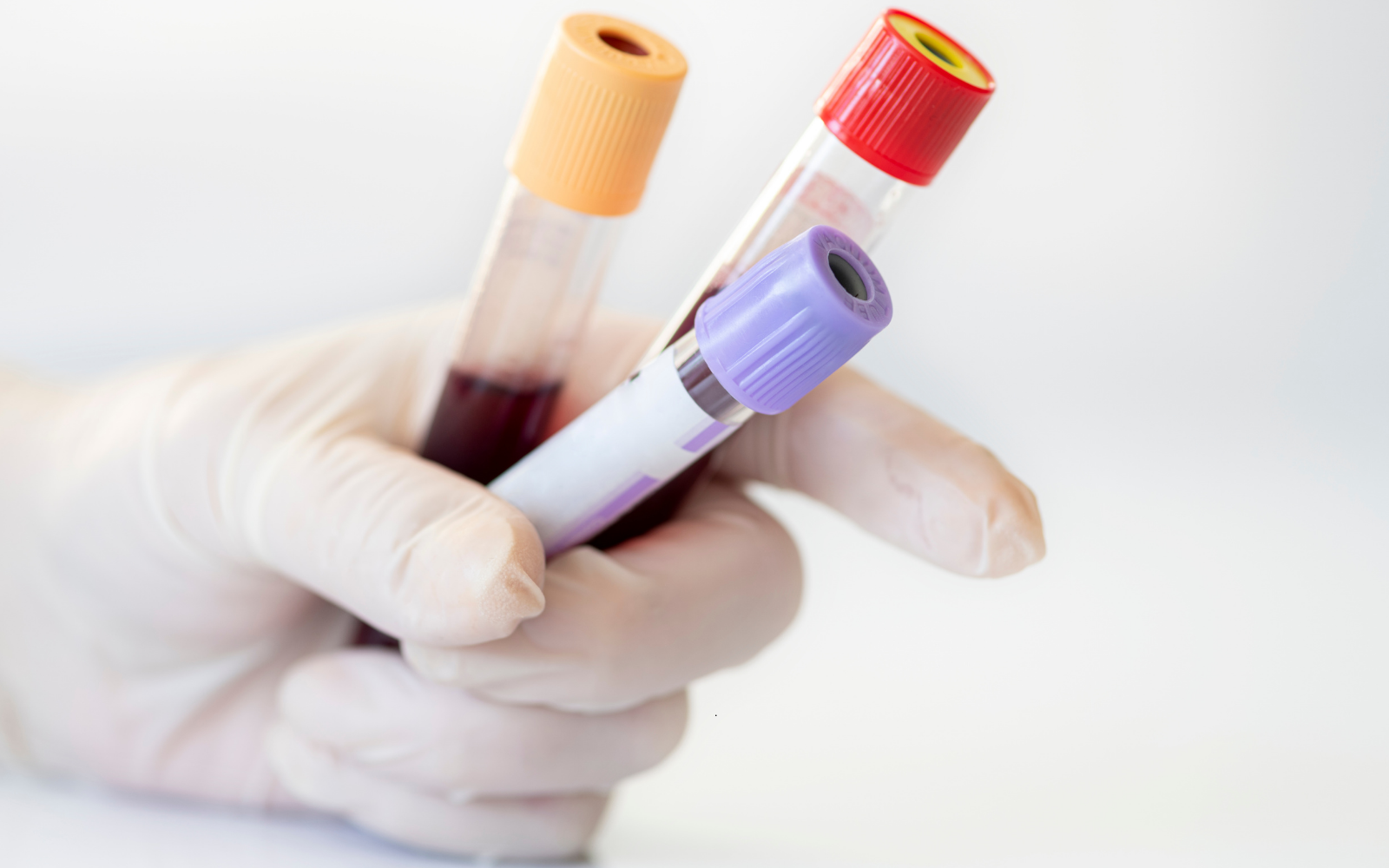
Understanding your fertility potential begins with a comprehensive FSH and LH test analysis – two critical hormones that orchestrate your entire reproductive system. These biomarkers provide invaluable insights into ovarian reserve, ovulation patterns, and overall reproductive health for both women and men seeking fertility answers. At Vanguard Performance Labs, we specialize in accessible, professional-grade hormone testing that empowers you with the knowledge needed to make informed decisions about your reproductive future, whether you’re actively trying to conceive, planning ahead, or investigating unexplained symptoms.
The Science Behind FSH and LH Testing
Follicle-stimulating hormone and luteinizing hormone represent the master controllers of human reproduction, operating through an intricate feedback system between your brain and reproductive organs. These pituitary hormones work in precise coordination to regulate essential reproductive functions affecting everything from monthly cycles to fertility potential.
In women, FSH stimulates ovarian follicle development while LH triggers ovulation – that crucial moment when a mature egg is released. The characteristic LH surge occurs 24-36 hours before ovulation, marking the most fertile window each month. Men rely on FSH for sperm production and LH for testosterone synthesis, making both hormones essential for male fertility.
The FSH to LH ratio provides diagnostic power beyond individual measurements. Normal ratios range from 1:1 to 2:1 during the follicular phase, but deviations signal specific conditions. An inverted ratio with LH exceeding FSH by 2:1 suggests polycystic ovary syndrome, while elevated FSH with suppressed LH indicates primary ovarian insufficiency.
Key Fertility Indicators from FSH and LH Levels
Ovarian Reserve Assessment
Day 3 FSH testing provides crucial information about egg quantity and quality. Levels below 10 mIU/mL indicate good ovarian reserve, while values exceeding 15 mIU/mL suggest diminished reserve that may impact fertility treatment success. This measurement influences decisions about conception timing, egg freezing, and assisted reproductive technologies.
Fertile Window Detection
LH surge monitoring pinpoints ovulation with precision that calendar methods cannot match. Baseline LH levels of 5-20 mIU/mL surge to 25-40 mIU/mL or higher before ovulation, providing a reliable biological signal for timing intercourse or insemination procedures.
Age-Related Changes
FSH levels gradually increase with age, providing early indicators of reproductive aging:
- Early reproductive years: 3-10 mIU/mL on day 3
- Late thirties: 10-15 mIU/mL
- Perimenopause: Often exceeding 20 mIU/mL
When to Consider FSH and LH Testing
Optimal Testing Timing
For women with regular cycles, day 3 testing (counting from the first day of full flow) provides baseline measurements reflecting ovarian reserve. This early follicular phase window, typically days 2-5, offers the most reliable reproductive assessment.
Key Indicators for Testing
Consider hormone evaluation when experiencing:
- Difficulty conceiving after 6 months (over 35) or 12 months (under 35)
- Irregular cycles shorter than 21 or longer than 35 days
- Absent periods in non-pregnant women
- Symptoms of early menopause under age 40
- Planning for egg freezing or fertility treatments
Interpreting Your Test Results
Understanding hormone results requires context beyond numerical values. Reference ranges vary by cycle phase, age, and individual factors, making professional interpretation valuable.
FSH Reference Ranges
Follicular phase: 3.5-12.5 mIU/mL
These baseline levels measured on days 2-5 of your cycle provide the most accurate assessment of ovarian reserve and reproductive potential.
Midcycle peak: 4.7-21.5 mIU/mL
FSH briefly rises alongside the LH surge to facilitate ovulation, though this increase is less dramatic than the LH spike.
Luteal phase: 1.7-7.7 mIU/mL
After ovulation, FSH drops to its lowest levels as progesterone from the corpus luteum provides negative feedback to the pituitary.
Postmenopausal: 25.8-134.8 mIU/mL
Persistently elevated FSH after menopause reflects the absence of ovarian hormone production and serves as confirmation of menopausal status.
What Your Results Mean
Elevated FSH with low estradiol suggests poor ovarian response, while high LH with normal FSH points toward PCOS. Age-adjusted interpretation adds important context – an FSH of 8 mIU/mL might be normal for a 25-year-old but concerning for someone over 40.
Conditions Diagnosed Through FSH and LH Testing
Polycystic Ovary Syndrome (PCOS)
Affecting 5-10% of reproductive-age women, PCOS presents with an elevated LH to FSH ratio exceeding 2:1. Our testing enables early detection, allowing lifestyle interventions and treatments that improve fertility outcomes and reduce metabolic complications.
Premature Ovarian Insufficiency
This condition, affecting 1% of women under 40, shows persistently elevated FSH levels above 25 mIU/mL. Early diagnosis through our testing provides crucial time for fertility preservation and appropriate hormone therapy.
Male Factor Infertility
Elevated FSH and LH with low testosterone can indicate primary testicular failure, while low gonadotropins suggest pituitary issues. This distinction guides appropriate treatment selection and fertility strategies.
Comprehensive Fertility Assessment Options
While FSH and LH provide foundational information, we offer expanded panels capturing the full spectrum of reproductive hormones:
Additional Markers Available
Anti-Müllerian Hormone (AMH): Age-independent ovarian reserve marker
Unlike FSH which fluctuates throughout your cycle, AMH remains stable and provides a reliable egg count estimate any day of the month.
Thyroid Panel: TSH and Free T4 for metabolic assessment
Even mild thyroid dysfunction can prevent conception or cause early miscarriage, making thyroid screening essential for comprehensive fertility evaluation.
Prolactin: Identifies hyperprolactinemia affecting 20% of women with irregular cycles
Elevated prolactin suppresses ovulation and can be easily treated once detected, often restoring fertility within months.
Testosterone: Essential for complete male fertility evaluation
Low testosterone impairs sperm production and libido, while elevated levels in women may indicate PCOS or other conditions affecting fertility.
Estradiol: Confirms ovarian function and response
When paired with FSH, estradiol levels help distinguish between poor ovarian reserve and other causes of elevated FSH, guiding appropriate treatment strategies.
Taking Action on Your Results
Normal Results
Provide baseline documentation for future comparison. We recommend annual retesting for women over 35 or those with family histories of early menopause.
Borderline Elevations
FSH levels between 10-15 mIU/mL warrant close monitoring and potentially accelerated family planning. We provide guidance on fertility preservation options and conception timing strategies.
Abnormal Results
Significantly elevated FSH or reversed LH/FSH ratios need evaluation by reproductive specialists. We provide detailed summaries that streamline consultations and avoid redundant testing.
Why Choose Vanguard Performance Labs
We’ve revolutionized hormone testing accessibility while maintaining laboratory excellence. Our exclusive partnership with Quest Diagnostics provides access to over 2,000 patient service centers nationwide, ensuring convenient testing within minutes of most locations.
Our Advantages
- Fast Results: 48-72 hours versus weeks through traditional channels
- No Insurance Hassles: Transparent pricing without surprise bills
- Complete Privacy: Results delivered directly to your secure account
- Professional Quality: Quest’s CLIA-certified laboratories ensure accuracy
- Expert Support: Our team helps interpret results and plan next steps
Simple Testing Process
- Order Online: Select your hormone panel and complete checkout in minutes
- Visit Quest: Walk into any location – no appointment needed
- Get Results: Receive secure electronic results within 72 hours
- Take Action: Use our guidance to plan your fertility journey
Frequently Asked Questions About FSH and LH Testing
When is the best time to test FSH and LH?
For women with regular cycles, we recommend testing on cycle day 3. Women with irregular cycles can test anytime, though results require a different interpretation. Men can test anytime as their levels remain stable.
How long should I stop birth control before testing?
We recommend discontinuing hormonal contraceptives for at least one full menstrual cycle before testing, though three months provides a more accurate baseline assessment.
Can I test while trying to conceive?
Absolutely. Testing provides valuable information about fertility status and can guide conception timing without interfering with attempts.
What’s the difference between blood and urine tests?
Blood tests offer superior accuracy and exact hormone concentrations crucial for fertility assessment. Urine tests cannot reliably measure baseline FSH levels needed for a comprehensive evaluation.
How often should I retest?
Women over 35 or with borderline results benefit from annual testing. Those actively trying to conceive might test every 3-6 months to track treatment responses.
Will insurance cover testing?
Our direct-to-consumer model bypasses insurance, often costing less than copays while providing faster results without authorization delays.
Start Your Fertility Journey Today
Understanding your reproductive hormones through FSH and LH testing provides the foundation for informed fertility decisions. Whether planning for future family building, investigating current challenges, or monitoring reproductive changes, our comprehensive testing delivers the answers you need.
Take control of your reproductive health today with Vanguard Performance Labs. Order your FSH and LH panel online in minutes, visit any Quest location at your convenience, and receive results within 72 hours. No doctor visits, no insurance hassles, no waiting weeks for answers – just straightforward access to the fertility information you deserve through our streamlined testing process.
We make professional hormone testing accessible to everyone, regardless of location or schedule. Our partnership with Quest Diagnostics ensures laboratory excellence, while our online platform provides unprecedented convenience and privacy. Join thousands who’ve taken charge of their fertility health with confidence.